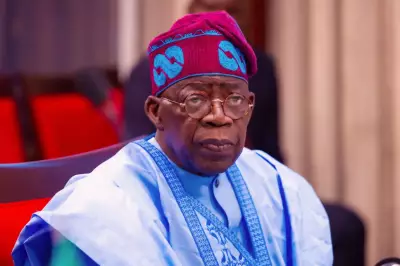
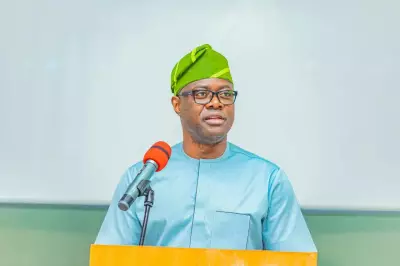
The political landscape of Nigeria has witnessed a significant shift as two prominent opposition governors, Caleb Muftwang of Plateau State and Abba Yusuf of Kano State, have officially defected to the ruling All Progressives Congress (APC). This move, occurring barely 13 months before the 2027 general elections, lays the groundwork for the APC's total dominance but introduces complex challenges in harmonising disparate leadership interests within the party in their respective states.
From Lone Stars to The Ruling Party
Governor Caleb Muftwang, formerly of the Peoples Democratic Party (PDP), and Governor Abba Yusuf, previously of the New Nigeria Peoples Party (NNPP), were once standout figures in their geopolitical zones. Their journeys to power were fraught with legal battles. Muftwang's victory was nullified by the Court of Appeal before being reinstated by the Supreme Court on January 12, 2024. Similarly, Yusuf's win was overturned by both the tribunal and the Court of Appeal, only for the Supreme Court to ultimately affirm his mandate.
Insiders suggest their defection is a strategic escape to the "centre" of national politics and a move to liberate themselves from the overpowering shadows of their political godfathers. For Muftwang, this means breaking free from former Governor Jonah Jang's influence, while Yusuf seeks independence from his father-in-law and NNPP leader, Rabiu Musa Kwankwaso.

The Kano Conundrum and Kwankwaso's Gambit
The defection in Kano has been particularly contentious, unfolding amidst a public war of words. After speculation peaked, Kwankwaso's media aide, Saifullahi Hassan, issued a firm denial, stating the NNPP leader never granted Yusuf permission to defect and reaffirming commitment to the Kwankwasiyya Movement's ideology. Kwankwaso is reportedly in talks with the African Democratic Congress (ADC) for a potential vice-presidential ticket, leveraging his control of Kano's political structure as a bargaining chip.
Governor Yusuf, however, sees APC membership as a ticket to national relevance and direct access to federal resources, believing his performance in office will secure his position. The tension necessitated the deployment of combined police and DSS operatives to the Kano State Government House to prevent potential clashes between supporters.
Muhammad Adamu Nababa, a former director in the Kano government, highlighted the public's support for Yusuf's move, criticising godfathers who refuse to let their protégés grow. "A leader is supposed to be given space to play his part... not to be dictated to on virtually every step. It no longer works," he stated.
Plateau's New Calculus and Internal APC Dynamics
In Plateau, Governor Muftwang's defection on December 19, 2025, which brought much of the state's PDP structure with him, was met with internal APC resistance. He now must navigate a complex web of interests, including those of APC National Chairman Prof. Nentawe Yilwatda (his former gubernatorial opponent), Senator Simon Lalong, and former Governor Joshua Dariye.
Despite rumours of a deal barring him from seeking re-election, his move has garnered praise from some quarters. Former Governor Ambassador Fidelis Tapgun congratulated Muftwang for "freeing himself from slavery" and criticised PDP's arrogance. APC Chairman Yilwatda hailed the defection as a strategic gain that solidifies the North-Central as an APC stronghold.
The ultimate test will be harmonising the ambitions of the national party leadership with the incumbent governor's desire for an automatic second-term ticket in 2027. As the APC concludes its nationwide electronic membership registration, the defections of Muftwang and Yusuf mark a pivotal moment, setting the stage for a fiercely contested election cycle where control of state machinery and voter loyalty will be paramount.