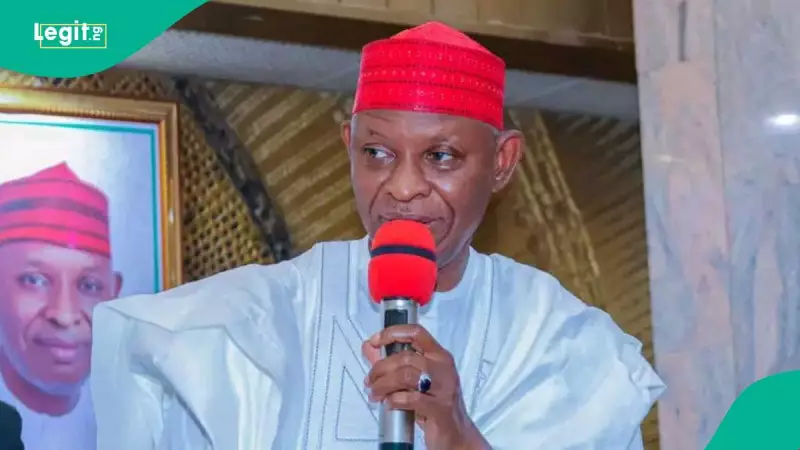
Members of the Kano State House of Assembly have publicly addressed the intensifying speculation surrounding Governor Abba Kabir Yusuf's potential departure from the New Nigeria People's Party (NNPP), attributing the move to deep-seated legal crises that threaten the party's very foundation.
Internal Court Battles Create Political Instability
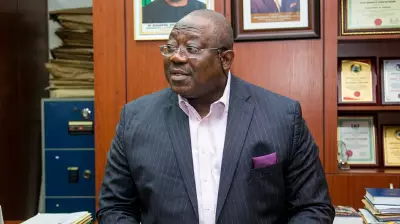
The Majority Leader of the Assembly, Lawan Hussaini, who represents the Dala constituency, stated that remaining within the NNPP poses significant political dangers for Governor Yusuf and other elected officials from the state. He pointed to ongoing leadership disputes within the party that have spilled into the courts, creating an environment of uncertainty.
Hussaini revealed that there is an existing court judgement which recognises only one specific faction of the NNPP. This legal ambiguity, he argued, undermines the party's unity and legitimacy. The lawmaker expressed grave concern that this situation mirrors the circumstances that led to a political catastrophe in another state.

"We cannot afford to stay in the party and risk a repeat of the legal disaster that befell Zamfara State," Hussaini told journalists. He was referring to the 2019 Supreme Court ruling that invalidated all election victories of a political party in Zamfara because its primary elections were deemed unconstitutional. The court held that the party had technically fielded no candidates, resulting in its rivals being awarded all positions.
Strategic Move to a Stable Platform
In light of these risks, Hussaini confirmed that there are growing calls for Governor Abba Yusuf and the party's national leader, Rabiu Musa Kwankwaso, to defect to a more stable political platform. The All Progressives Congress (APC) was explicitly mentioned as a potential destination.
The Assembly majority leader disclosed that legislators are actively engaged in high-level consultations with both the governor and Senator Kwankwaso. The goal is to reach a consensus on a strategic exit plan should the NNPP's internal legal impasse fail to be resolved promptly.
He warned that prolonged factional fights could leave the party vulnerable to court rulings that nullify its nominations for future elections, even if its candidates win at the polls. The Kano Assembly is keen to avoid a scenario where the hard-won mandates of its members and the governor are lost through technicalities after electoral success.
Defection Timeline and Broader Implications
Political sources indicate that Governor Yusuf's much-anticipated defection, which was initially expected in early January 2026, has been deliberately delayed. The postponement is to allow for wider consultations among key stakeholders and to build a stronger consensus.
This delay is seen as a tactical move to ensure that any final decision safeguards the political futures of all elected officials and their supporters in Kano State. The potential defection of Governor Yusuf and his political mentor, Rabiu Kwankwaso, is a subject of intense discussion, as it could dramatically reshape the political landscape of Kano and influence strategies for the 2027 general elections.
The underlying fear driving these discussions remains the precedent set by the Zamfara case. The Kano lawmakers are determined not to let legal technicalities within their party override the will of the voters, prompting a serious consideration of switching to a platform with clearer leadership and legal standing.