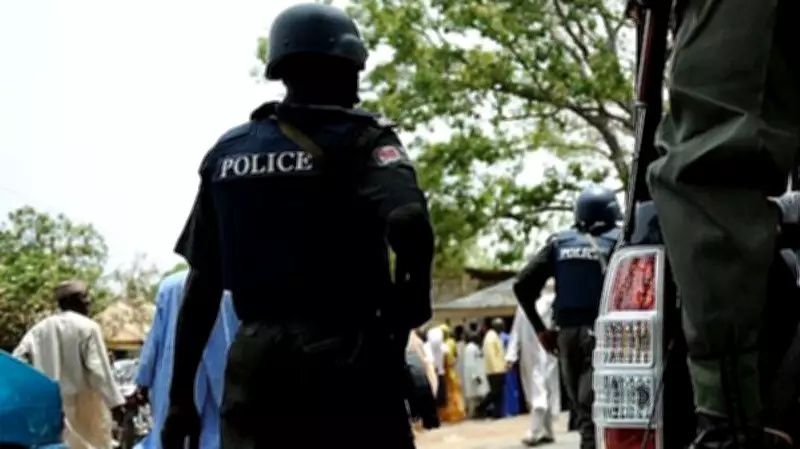
The recent submission of a 75-page framework on the establishment of state police by a committee set up by the Inspector General of Police marks a significant step forward in addressing Nigeria's security challenges. This development adds momentum to the long-standing advocacy for state police, moving beyond theoretical discussions to practical implementation.
The Need for Decentralization
For years, many Nigerians have called for the decentralization of the current centrally controlled police system. The argument is that security issues are often localized, and empowering states to set up, fund, and manage their own police forces would lead to more effective crime prevention and response. Under the current arrangement, governors, who are designated as chief security officers of their states, have no control over police commissioners, who report directly to the Inspector General of Police in Abuja. This disconnect has often led to policing that does not align with local security needs.
Political Commitment
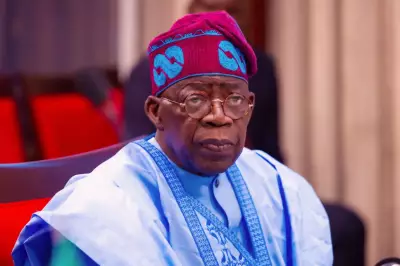
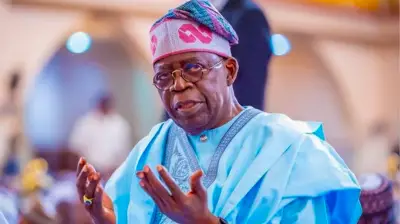
President Bola Tinubu has repeatedly expressed his commitment to creating state police, describing the task as urgent and unavoidable. Political parties also included this promise in their campaign manifestos. The Senate has pledged to fast-track constitutional amendments to accommodate state police, with assurances of unanimity on the matter. Nigerians are holding the President and lawmakers to these promises, expecting swift action.

Recommendations of the Committee
The committee, led by Prof. Olu Ogunsaki, proposed a funding model where three percent of federal revenue from the Federation Account and 15 percent of state security budgets would be allocated to state police. A dedicated State Police Fund would ensure stability and reduce disparities between wealthy and less endowed states. Operationally, the panel recommended transferring 60 percent of current federal police personnel below the rank of Assistant Commissioner of Police to state commands to leverage local knowledge and improve response times. Strict oversight mechanisms, including mandatory body-worn cameras and a National Police Standards Board, were also recommended to prevent abuse of power.
Challenges and Considerations
While the move towards state police is widely supported, concerns remain about potential abuse by state governors. To address this, stakeholders must establish strict operational rules to check excesses. Initial hiccups, especially regarding funding, are expected. States must prioritize expenditures to accommodate state police, cutting down on frivolous spending. The new system must be accountable, technology-driven, and free from the indiscipline of the current system. Police should be stationed where needed, not attached to individuals or political elites.
Global Examples
Many federal systems, including the United States, Australia, Germany, India, Canada, and Brazil, operate subnational police forces separate from federal ones. Nigeria cannot remain an exception without facing serious consequences. A multilayered security solution is imperative for the country's stability.
In conclusion, the establishment of state police is no longer just a proposal but a necessity. With political will, proper oversight, and adequate funding, Nigeria can overcome its security challenges and create a more responsive policing system.