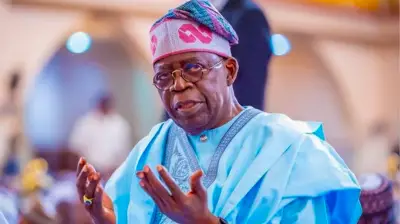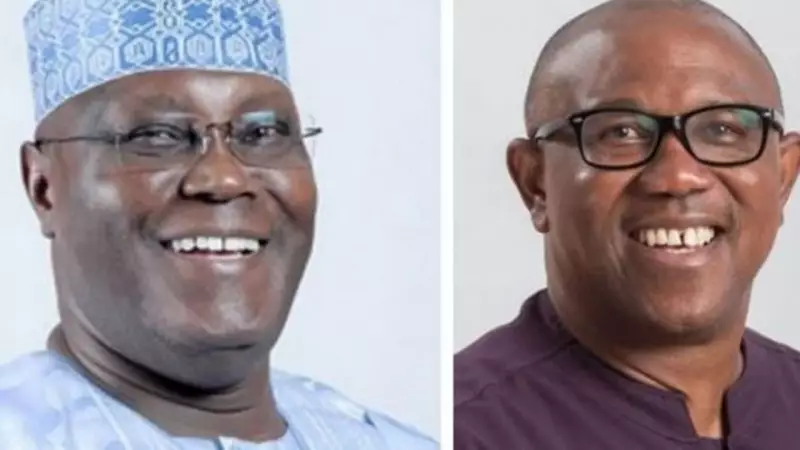
Nigeria's leading opposition figures and political parties have issued a stark and unified assessment of the year 2025, labelling it a period of severe hardship and directly blaming the policies of President Bola Tinubu's administration. In a series of New Year messages, they called on citizens to begin peaceful mobilisation for a democratic change in the 2027 general elections.
A Collective Verdict on a Difficult Year
The consensus across opposition camps was that 2025 was one of the most punishing years in recent Nigerian history. Former Vice-President and African Democratic Congress (ADC) chieftain, Atiku Abubakar, set the tone, stating that millions were pushed deeper into poverty by what he termed harsh and poorly conceived policies. He accused the All Progressives Congress (APC) government of presiding over "economic suffocation, political recklessness, and governance without empathy."
Atiku urged Nigerians to view 2026 as a year of organisation and preparation, expressing confidence that 2027 would bring a new government and a "bounty harvest" for the nation. He was particularly scathing in his criticism of the new tax laws, alleging the legislation was forged at the point of gazetting and imposed despite public opposition.

Calls for Unity, Truth, and National Renewal
Former Labour Party presidential candidate, Peter Obi, focused his message on the values needed for national recovery. He described the New Year as an opportunity for a "genuine new beginning" and called on Nigerians to embrace unity, truth, and sacrifice. Obi emphasised that democracy must be a daily commitment to justice and accountability, not merely an electoral ritual.
He placed a strong emphasis on honesty in leadership, urging public officials to be transparent about their backgrounds, intentions, and even their health. "Leadership thrives on trust, and trust is only possible where honesty prevails," Obi stated, adding that public office should be seen as a solemn call to service, not a platform for personal enrichment.
Coalition Building and the Road to 2027
The push for a united opposition front was a key theme. The National Chairperson of the ADC, David Mark, revealed that the coalition operating under the party was formed out of necessity to stop Nigeria's drift towards a one-party state. He described it as a rescue mission to restore hope and accountable leadership, noting overwhelming public support since its unveiling in July 2025.
Similarly, the Peoples Redemption Party (PRP) issued a direct call to action. In a statement by its National Chairman, Mr Falalu Bello, the party urged Nigerians to vote out President Tinubu in 2027 to rescue the country from "incompetence and greed." The PRP decried the enforcement of new tax laws from January 1, 2026, arguing they would further impoverish citizens already battling insecurity and hunger.
Adding legislative weight to the criticism, the Minority Caucus in the House of Representatives called on the Federal Government to urgently address insecurity, hardship, and unemployment in 2026. The lawmakers, in a joint statement, said the challenges of 2025 had left many citizens in distress and demanded sincere, coordinated government action.
APC Responds with Call for Patience
In a contrasting message, the Lagos State chapter of the ruling APC threw its weight behind President Tinubu's New Year address. The party described it as a reaffirmation of commitment to necessary economic reforms and national renewal. The Lagos APC argued that the ongoing reforms were essential to tackle long-standing structural problems ignored by previous governments, pointing to early signs of progress like macroeconomic stabilisation and renewed investor confidence. It urged patience from the public, stating the administration would remain focused on its agenda despite predictable political criticism.
The stage is now set for a heightened political atmosphere as Nigeria moves into 2026, with opposition parties clearly framing it as a crucial mobilisation period ahead of the decisive 2027 polls.