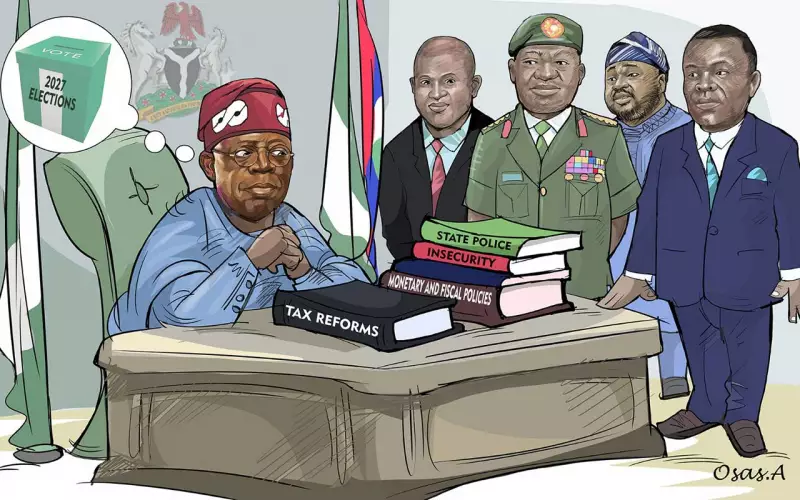
As Nigeria steps into the year 2026, the nation finds itself at a critical juncture, poised between the harsh lessons of a difficult 2025 and the looming shadow of the 2027 general elections. This year is set to be a definitive test for the country's policies, political landscape, and the performance of its leaders.
A Look Back at an 'Annus Horribilis'
The year 2025 was described by many Nigerians as an annus horribilis, a horrible year, echoing the term used by the late Queen Elizabeth II in 1992. This sentiment was fueled by a cascade of tragic events and severe challenges. The nation witnessed the devastating Mokwa Flood Disaster, which claimed over 500 lives, left 600 people missing, and destroyed 4,000 homes in a single event.
Simultaneously, citizens endured biting economic hardship, record-breaking abductions of schoolchildren, and relentless terrorism, banditry, and kidnapping. These crises collectively called into question the Federal Government's capacity to secure lives and property, presenting a persistent Achilles heel as the country approaches another election cycle.

The Politics of Defection and Policy Sacrifice
One of the dominant political trends of 2025 was the unprecedented wave of defections into the ruling All Progressives Congress (APC). Governors, national and state lawmakers, and other political heavyweights switched allegiance, raising widespread fears that critical development policies would be sacrificed for political expediency.
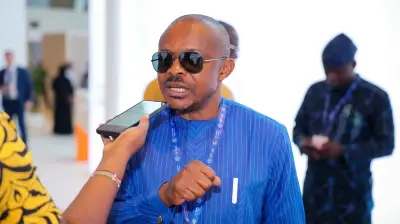
The Yoruba socio-political group, Afenifere, criticized this trend, warning that it reflects a deepening crisis of leadership and accountability. Abagun Kole Omololu, Afenifere's National Organising Secretary, stated that the realignments are acts of survival, not ideological conviction, where principles are traded cheaply for proximity to power.
Echoing this concern, Akin Malaolu, President of the Yoruba Ronu Leadership Forum, alleged that the defections coincided with massive looting of state treasuries and accused state governments of mismanaging increased revenues from subsidy removal.
The Economic Crossroads: Reform or Retreat?
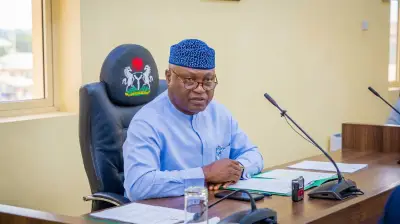
President Bola Tinubu faces his most significant test yet. Having initiated bold reforms like fuel subsidy removal and foreign exchange liberalization in 2023, he now stands at a crossroads on the eve of an election year. History shows that Nigerian politicians often dilute or reverse unpopular policies to placate the electorate.
The previous administration of Muhammadu Buhari suspended the implementation of the Petroleum Industry Act (PIA) for political convenience, a decision that contributed to a soaring national debt of nearly N100 trillion and a crippling debt-service burden.
Tinubu's reforms, though painful, have been aimed at resetting the economy. However, they have driven inflation to record highs, significantly reducing the real income of millions. The President must now choose between sustaining these reforms to achieve long-term stability or softening them to placate a suffering electorate. With debt service consuming 84% of government revenue in the first half of 2025, policy reversal is a risky gamble.
The Tax Reform Gambit and Security Quagmire
To break the cycle of poor revenue, the government has pursued aggressive tax reform, enacting new laws to create a more efficient system. The transition of the Federal Inland Revenue Service (FIRS) to the Nigeria Revenue Service (NRS) signals this new direction. However, implementation is fraught with challenges, including controversies over the legislation's final text and the slow domestication of the laws by states. Only Anambra, Ekiti, and Zamfara states have adopted them so far.
On the security front, despite a N6.57 trillion defence budget for 2025, the country remains besieged. The murder of over 200 in Benue, the abduction of 303 schoolchildren in Niger State, and the closure of 589 schools underscore a near-helpless situation. Military leaders, including the Chief of Defence Staff, General Olufemi Oluyede, continue to pledge resolve, but tangible results remain elusive for many citizens.

Preparing for the Inevitable: Humanitarian and Environmental Crises
Experts warn that without proactive measures, humanitarian disasters like the Mokwa floods will recur. Dr. Chime Ogbonna, President of the Nigerian Institute of Town Planners, insists that full implementation of the Nigerian Urban and Regional Planning Law is crucial to preventing such tragedies.
The National Emergency Management Agency (NEMA) plans to establish Local Emergency Committees in every council to improve grassroots response. Security expert Adeyinka Adebiyi emphasizes the need for strict legislation, holding developers and officials accountable for building on floodplains, and focusing on prevention and community resilience.
Ultimately, 2026 will be a year of difficult choices. It will test the courage of political leaders to prioritize national interest over electoral calculus and determine whether the Nigerian electorate will continue to tolerate unfulfilled promises. The outcomes will fundamentally shape the sociopolitical landscape for the 2027 general elections.