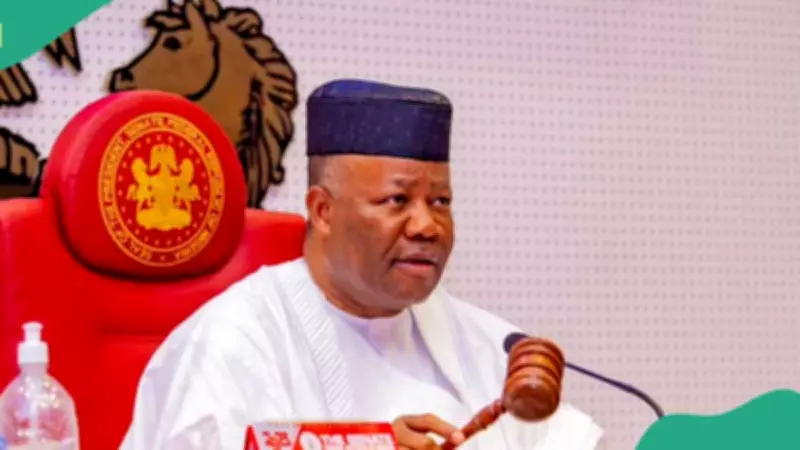
Senior Aide to Senate President Godswill Akpabio Resigns Amid Allegations of Hostile Workplace
Patty Etete, a senior legislative aide to Senate President Godswill Akpabio, has officially resigned from his position, citing a prolonged period of sustained hostility, alleged physical assaults, and significant administrative irregularities within Akpabio's office. The resignation, which Etete described as "long overdue," follows what he claims were years of systematic humiliation, discrimination, and denial of access to the Senate President himself.
Resignation Letter Details Toxic Environment
According to a resignation letter dated February 27 and addressed directly to Akpabio, as reported by Premium Times, Etete operated in what he characterized as an intensely hostile environment. He detailed being denied basic privileges and suffering multiple physical assaults from fellow aides. The former member of the House of Representatives further alleged that some of these distressing incidents occurred with the full knowledge and awareness of Senate President Akpabio, raising serious concerns about workplace safety and ethical governance within the upper legislative chamber's leadership.
Allegations Extend to Broken Political Vows
In a particularly emotional segment of his letter, Etete recalled a solemn vow allegedly made with political associates before a statue of Mary, referencing Akpabio's Catholic faith. He stated, "Your Excellency, sir, each time I remember how you, myself, Rt. Hon Ubong Etiebet and the current Minister for State, Gas, knelt down before the statue of Mary, making a vow concerning your ambition, my heart bleeds." Etete contrasted this memory with subsequent demands for allegiance from Akpabio's former Deputy Chief of Staff, questioning the integrity of their earlier commitment.

The resignation highlights broader issues of power dynamics and accountability in Nigerian political offices. Etete's allegations suggest a workplace culture where loyalty is enforced through coercion rather than earned through respect and professional conduct. This incident comes at a time when public scrutiny of governmental transparency and ethical behavior is particularly high, potentially impacting perceptions of the Senate's leadership.
Implications for Senate Leadership and Political Climate
This development poses significant questions about the internal management of Senate President Akpabio's office and could influence political relationships ahead of future electoral cycles. The detailed account of physical assaults and administrative irregularities, if substantiated, may trigger calls for formal investigations into workplace conditions within the National Assembly. It also underscores the challenges faced by political aides who navigate complex power structures while advocating for ethical standards.
The situation remains fluid as reactions from Senate President Akpabio's office are awaited. Observers note that such high-profile resignations with detailed allegations are rare in Nigerian politics, making this case a potential benchmark for how similar grievances might be addressed in the future. The focus now shifts to whether official responses will address the specific claims or dismiss them as internal disputes.