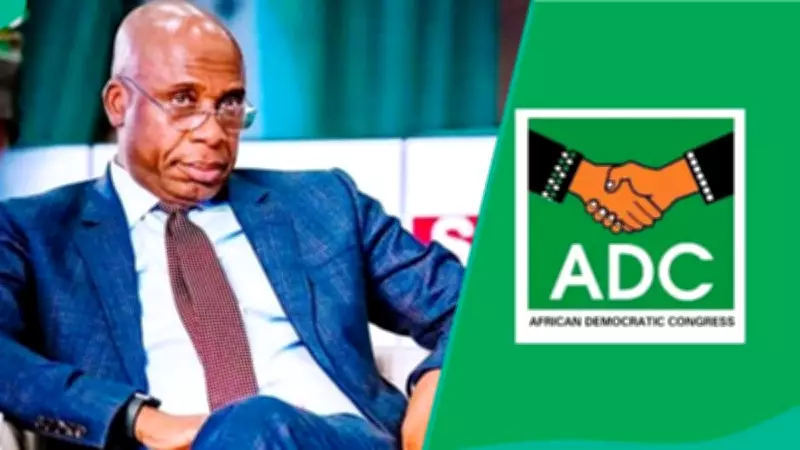
Amaechi Issues Strategic Warning to ADC on 2027 Presidential Candidate Selection
Former Minister of Transportation and prominent political figure, Rotimi Amaechi, has delivered a significant caution to the African Democratic Congress (ADC) regarding their presidential candidate selection process for the upcoming 2027 general elections. Speaking during a political engagement in Kano, Amaechi articulated concerns that could substantially impact the party's electoral fortunes across Nigeria's diverse regions.
The Southern Voter Conundrum for ADC
Amaechi emphasized that the ADC might encounter substantial difficulties in garnering support from southern Nigerian voters if the party decides to field a presidential candidate from the northern region. This warning comes amid ongoing national conversations about power rotation and regional political balancing, which have become increasingly prominent in Nigeria's electoral landscape.
The former Rivers State governor explained that prevailing sentiments regarding zoning and the current power rotation arrangement could significantly influence voter behavior, particularly in southern states. Many southern political stakeholders and voters currently maintain the perspective that presidential power should remain in the southern region for the foreseeable future, creating potential resistance to northern candidates.

Three Critical Factors for Candidate Selection
Amaechi outlined three essential considerations that the ADC leadership must thoroughly evaluate before determining their presidential standard-bearer:
- Demonstrated Capacity: The candidate must possess proven leadership abilities and governance experience that can convince Nigerian citizens of their capability to implement meaningful national transformation.
- Appropriate Age Profile: The candidate's age should align with the energy and vision required for effective presidential leadership in contemporary Nigeria.
- Political Realities of Power Rotation: The party must acknowledge and respect the existing unwritten convention regarding regional power distribution, which currently favors southern retention of the presidency.
"First is capacity. Second is age. Third, which is the last point, is to respect the unwritten law of power that is now in the South," Amaechi stated during his remarks, highlighting the interconnected nature of these selection criteria.
The Campaign Challenge with Northern Candidates
Amaechi elaborated on the practical campaign difficulties that could emerge if the ADC selects a northern presidential candidate. While affirming his commitment to campaign vigorously regardless of the candidate's regional origin, he acknowledged that convincing southern voters to relinquish what they perceive as their rightful political turn would present substantial obstacles.
"If you elect somebody from the North, I'm not saying we won't campaign, but it will be difficult to convince the South to give up power," Amaechi explained, pointing to the psychological and political barriers that could hinder the party's southern outreach efforts.
He further noted that some southern political observers might interpret a northern ADC candidacy as questioning the legitimacy of southern political leadership, potentially creating additional resistance beyond mere regional preferences.
Commitment to Party Unity Despite Reservations
Despite expressing these strategic concerns, Amaechi reaffirmed his unwavering commitment to ADC party unity and democratic processes. He pledged to support whichever candidate emerges victorious from the party's presidential primary, regardless of geographical origin or personal preferences.
"Whether it is a Southerner or a Northerner is immaterial, I will support whoever emerges at the primary," Amaechi declared, demonstrating his prioritization of institutional loyalty over individual reservations.
This position aligns with Amaechi's earlier declaration of interest in the ADC presidential ticket, during which he promised to serve only a single four-year term if elected, thereby facilitating power rotation back to the northern region following President Bola Tinubu's current tenure.

Broader ADC Internal Dynamics
Amaechi's comments emerge within a context of ongoing internal discussions within the ADC regarding their presidential candidate selection methodology. Former Kaduna State governor and ADC chieftain Nasir El-Rufai has previously indicated that the party would not implement formal zoning arrangements for their presidential ticket, opting instead for open primaries.
Similarly, former Vice President Atiku Abubakar, considered a leading presidential aspirant within ADC circles, has maintained that the party does not intend to adopt zoning mechanisms ahead of their primary elections. These contrasting perspectives highlight the complex balancing act facing the ADC as they navigate Nigeria's intricate regional political landscape while attempting to build a competitive national platform.
The party has reportedly been conducting grassroots mobilization efforts and membership registration drives in preparation for upcoming congresses and conventions, suggesting organizational development alongside these strategic deliberations about presidential candidacy.