Atiku Abubakar Condemns Tinubu's Economic Approach as 'Organised Hardship' Following IMF Alert
Former Vice President Atiku Abubakar has launched a scathing critique of President Bola Ahmed Tinubu's economic policies, labeling them as "organised hardship dressed up as reform." This condemnation comes in response to recent warnings from the International Monetary Fund (IMF) about Nigeria's economic challenges, with Atiku asserting that the IMF's statements merely formalize the daily struggles experienced by ordinary Nigerians.
IMF Warning Reflects National Emergency, Says Atiku
In a statement issued by his Senior Special Assistant on Public Communication, Phrank Shaibu, on Sunday, April 19, 2026, Atiku emphasized that the IMF's alert is not breaking news but a confirmation of a national crisis that the Tinubu administration allegedly refuses to acknowledge. He stated, "At a time when Nigerians were promised renewed hope, what they have received is renewed hardship—raw, relentless, and unforgiving." Atiku, a chieftain of the African Democratic Congress (ADC), argued that Tinubu's reforms are marred by policy confusion, weak leadership, and a dangerous detachment from the suffering of citizens.
Criticism of Abstract Economic Theories and Human Cost
Atiku criticized the administration's focus on abstract economic theories while ignoring the tangible human cost. He highlighted several pressing issues:

- Many young Nigerians with degrees are roaming the streets with little hope for employment.
- Small businesses are collapsing due to high electricity tariffs, excessive taxes, and a suffocating business climate.
- The cost of transportation has become prohibitive for average citizens.
He urged the government to abandon what he termed "trial-and-error economics" and instead implement immediate, people-focused interventions to stabilize prices, revive small enterprises, and protect the most vulnerable populations.
Call for Leadership Action Over Speeches
Atiku stressed that this is not a time for mere speeches but for decisive rescue actions. He called on leadership to step down from its "high horse" and engage directly with the struggles of Nigerians on the ground. "The true test of leadership is simple: are the people better off or worse? Today, Nigerians are worse off—far worse off. And no amount of spin can hide that truth," he declared. This statement underscores his belief that the Tinubu administration has failed to improve the lives of ordinary Nigerians since taking office.
Background on Political Tensions
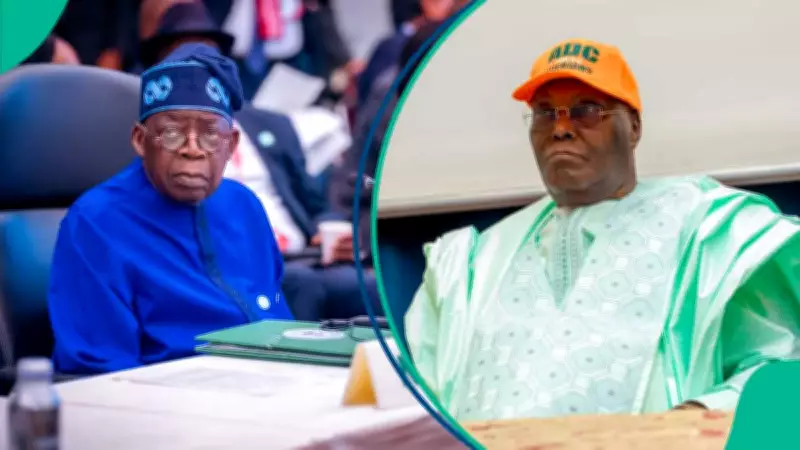
The criticism follows earlier exchanges between Tinubu and Atiku, where Tinubu accused Atiku of attempting to privatize key sectors during his tenure. Atiku's camp responded by highlighting Tinubu's alleged pattern of criticism and questioning his own policy implementations. As the 2027 elections approach, these tensions reflect broader political divisions, with public opinion split on Tinubu's critique of opposition figures like Atiku and his coalition's ability to lead Nigeria toward a "New Nigeria."
Atiku's remarks signal a deepening political rift and growing concerns over economic management in Nigeria, as citizens grapple with inflation, unemployment, and other hardships amid ongoing reforms.