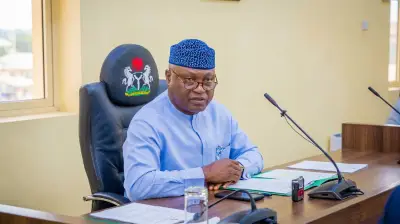
Atiku Abubakar Voices Regret Over Role in Forming APC Ahead of 2015 Elections
Former Vice-President Atiku Abubakar has openly expressed deep regret for his involvement in the formation of the All Progressives Congress (APC) ahead of the 2015 general elections. During a press briefing in Abuja on Thursday, February 26, attended by opposition leaders, Atiku stated that Nigeria's current national challenges have significantly worsened beyond the concerns that initially motivated the 2014 political merger.
Reflecting on the 2014 Merger That Created APC
Recalling the events leading to the formation of the APC, Atiku explained that major opposition figures united under the party's platform to challenge the administration of former President Goodluck Jonathan. The primary concerns at that time centered on growing insecurity and economic instability, with fears that democratic governance was weakening and required urgent intervention to change the country's direction.
"We came together in 2014 because we believed democracy was faltering," Atiku stated during the briefing. "The issues then were insecurity and the economy. But today, the situation has become even worse than what we set out to correct."

Call for Deliberate Planning in Future Political Coalitions
The former presidential candidate emphasized that lessons must be drawn from past political collaborations, stressing that any new coalition ahead of the 2027 general elections must be deliberate and focused on rebuilding democratic institutions and restoring public confidence. Atiku maintained that careful planning is essential for any future political movements.
"We must ensure that whatever steps we take now are aimed at restoring true democracy in Nigeria," he declared, adding that political actions going forward should prioritize strengthening democracy and addressing governance concerns as preparations for the 2027 elections gradually gather momentum.
Opposition Leaders Unite in Criticism of Electoral Law
The press conference also addressed recent developments regarding Nigeria's electoral framework. Atiku, alongside other opposition leaders including former presidential candidate Peter Obi, has rejected the amended Electoral Act recently signed into law by President Bola Tinubu. The political leaders have criticized both the content of the new law and the manner in which it was enacted.
Opposition figures argue that certain provisions of the Electoral Act 2026 could undermine electoral transparency and fairness. However, Senate leaders have responded by maintaining that the Act was duly passed and assented to, advising critics to channel their concerns through formal proposals rather than public pressure.
Significance for Nigeria's Political Landscape
The gathering of prominent opposition leaders at the press briefing signals ongoing consultations and possible political alignments ahead of the 2027 general elections. Atiku's public expression of regret over the APC formation represents a significant moment in Nigeria's political discourse, highlighting reflections on past political decisions and their consequences for the nation's development.
As Nigeria approaches another election cycle, Atiku's comments underscore the importance of strategic political planning and the need for coalitions that genuinely address the country's pressing challenges rather than merely seeking power transitions.