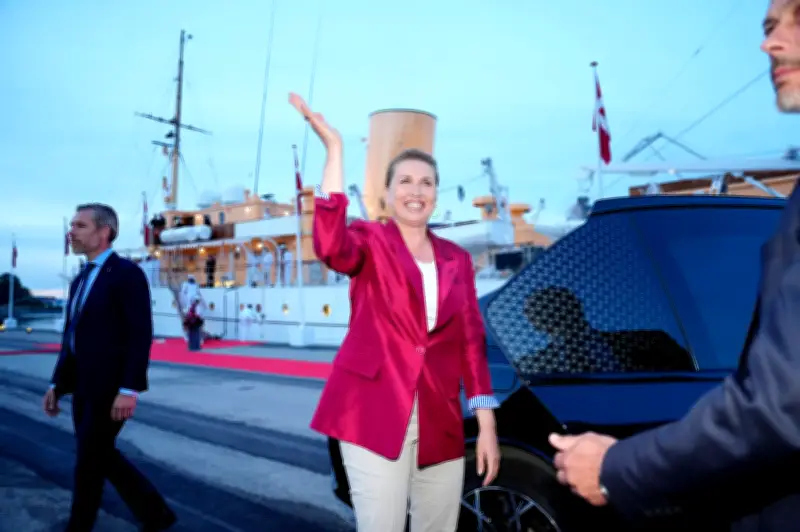
Denmark's Social Democratic leader, Mette Frederiksen, announced on Monday that she has reached an agreement to form a centre-left coalition government, securing a third consecutive term as prime minister. This development comes amid heightened tensions with United States President Donald Trump over Greenland.
Ending Political Uncertainty
The deal to establish a minority government brings an end to months of political uncertainty following the March election, in which 12 parties secured seats in parliament. Frederiksen stated, "I have been to see His Majesty the King and announced that a government can be formed after long negotiations."
Election Results and Coalition Building
Frederiksen's centrist coalition lost its majority in the March 24 election, largely driven by voter concerns over the rising cost of living. Despite this, the Social Democratic Party remained the largest group in parliament with 38 out of 179 seats, a decrease from the previous 50 seats. After more than two months of negotiations between the Social Democrats and the right-wing Liberals over leadership, Frederiksen secured sufficient support from parliamentary parties to remain in office.

"It is a government platform for the people who are in Denmark and for the generations to come and also for the animals," Frederiksen said, highlighting animal welfare as a major issue during the election campaign.
Key Priorities and Cabinet Announcements
Frederiksen indicated that the government's key priorities will be presented on Tuesday, with ministers expected to be announced on Wednesday. The new administration's immediate focus includes diplomatic engagement over Greenland, which Trump has threatened to annex, and accelerating Denmark's military expansion in response to growing security concerns in Europe linked to Russia's war in Ukraine.
Coalition Composition
Alongside the Social Democrats, the new coalition government will include the Social Liberals, the Left Greens, and the centrist Moderates. The coalition is expected to rely primarily on support from the far-left Red-Green Alliance to secure a parliamentary majority, while also seeking backing from other parties when necessary.