Gowon Opens Up on Aburi Accord: Ojukwu Frustrated Peace Efforts
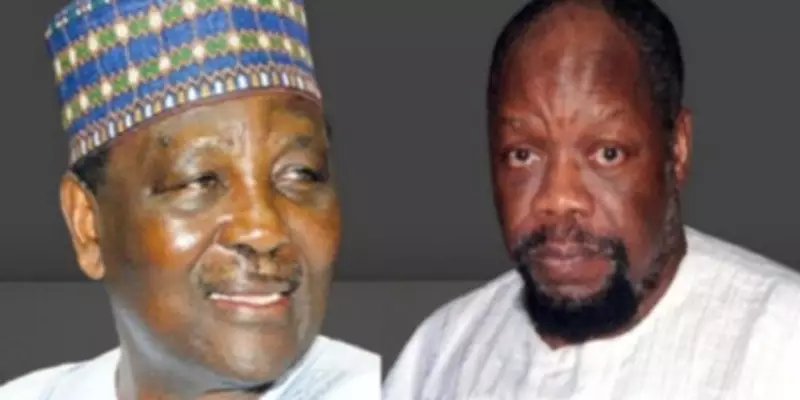
Former Head of State Yakubu Gowon has reignited debate over one of Nigeria’s most sensitive historical periods, alleging that the late Biafran leader, Chukwuemeka Odumegwu Ojukwu, deliberately sabotaged multiple peace initiatives that could have averted the Nigerian Civil War. In his autobiography, My Life of Service and Allegiance, Gowon provides a detailed account of the political turmoil following the 1966 coups, which ultimately led to the 1967–1970 civil war.
Gowon claims that several reconciliation attempts between the Federal Military Government and the Eastern Region failed because Ojukwu consistently rejected or reinterpreted agreements reached during negotiations. He specifically highlights the January 1967 meeting in Aburi, Ghana, mediated by Ghana’s then-leader Lt. Gen. Joseph Arthur Ankrah, which aimed to ease rising tensions and prevent Nigeria’s disintegration.
According to Gowon, both sides returned from Aburi with conflicting interpretations of the accords, with Ojukwu allegedly presenting terms that would have significantly weakened federal authority. While the federal government was committed to national unity, it found it difficult to accept proposals it believed would lead to the country’s breakup. Gowon also notes that peace efforts continued even after ethnic violence and political mistrust deepened, but communication between the two sides rapidly deteriorated.

Defending his government’s creation of 12 states in 1967, Gowon says it was intended to address fears of domination by majority groups and give minority communities a stronger voice within the federation. He maintains that the decision was part of broader efforts to stabilize the country and prevent further fragmentation. Gowon asserts that the declaration of Biafra on May 30, 1967, left the federal government with no choice but to go to war, insisting that the conflict was not initiated out of a desire for violence but became unavoidable after secession was declared.
Reflecting on the war’s outcome, Gowon defends his post-war reconciliation policy, famously known as “No Victor, No Vanquished,” stating it was necessary to heal the nation and prevent long-term ethnic division. He adds that the goal of the federal government was to preserve Nigeria’s unity rather than punish any group. Gowon acknowledges the human cost of the civil war, describing it as a painful period that required national healing and restraint in its aftermath.
While Ojukwu consistently argued during his lifetime that Biafra was a response to insecurity and political exclusion, Gowon’s account presents a contrasting view that places responsibility for the failed peace process on the former Eastern leader.