Kwankwaso Returns to Nigeria Amid US Sanctions Debate, NNPP Confirms
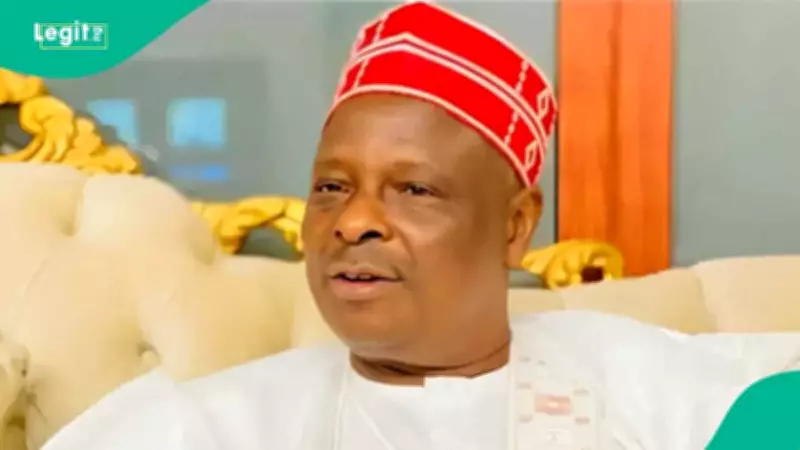
Rabiu Kwankwaso, the prominent leader of the New Nigeria People's Party (NNPP), made his return to Abuja on Sunday following what his political organization described as "strategic international engagements" in India. His arrival at Nnamdi Azikiwe International Airport occurred just days after a proposed United States congressional bill named him among individuals recommended for targeted sanctions over alleged religious freedom violations in Nigeria.
Strategic International Engagements in India
The NNPP confirmed that Kwankwaso's trip abroad involved substantive meetings with educational institutions in India, where he also received an award for his contributions. According to party officials, these engagements were part of broader international outreach efforts. "He went to India because of a meeting with educational institutions, where he was also given an award. That was where he was before all these false narratives broke out," stated Ladipo Johnson, the NNPP National Publicity Secretary.
Kwankwaso was welcomed upon arrival by a delegation that included NNPP National Chairman Dr. Ajuji Ahmed, Kano State Deputy Governor Aminu Gwarzo, Senator Rufai Hanga of Kano Central, and numerous members of the influential Kwankwasiyya Movement. A viral video circulating on social media platforms showed the former presidential candidate passing through airport security procedures, dressed in traditional white Babariga attire and his trademark Kwankwasiyya cap.

US Congressional Bill and Proposed Sanctions
The timing of Kwankwaso's return proved particularly significant, occurring just four days after his name appeared in proposed legislation before the United States Congress. The bill, formally titled the Nigeria Religious Freedom and Accountability Act of 2026 (HR 7457), was introduced by Representative Riley Moore of West Virginia and co-sponsored by Representative Chris Smith of New Jersey.
This legislation recommends implementing visa bans and asset freezes under the Global Magnitsky Human Rights Accountability Act against individuals and groups accused of religious freedom violations. Those listed alongside Kwankwaso include:
- Fulani-ethnic nomad militias
- The Miyetti Allah Cattle Breeders Association of Nigeria
- Miyetti Allah Kautal Hore
While the NNPP has vigorously defended its leader against these allegations, Kwankwaso himself has maintained public silence regarding the proposed sanctions. This absence of direct response has drawn considerable attention from political observers, given the substantial international implications of such legislation.
Political Reactions and Party Responses
Both the All Progressives Congress (APC) and the New Nigeria People's Party have formally rejected the proposed visa bans and asset freezes recommended by United States lawmakers. The political parties have characterized the congressional bill as containing unsubstantiated allegations that lack proper evidence and due process.
The NNPP has emphasized that Kwankwaso's international travels were focused on educational development and recognition, rather than the activities referenced in the US legislation. Party representatives have described the timing of the bill's introduction as coincidental and potentially politically motivated.
This development occurs within Nigeria's complex political landscape, where religious and ethnic tensions occasionally intersect with electoral politics. The proposed sanctions have sparked broader debates about international intervention in domestic affairs and the appropriate mechanisms for addressing human rights concerns.
As the situation continues to evolve, political analysts are closely monitoring several key aspects:

- The potential impact on Nigeria-US diplomatic relations
- The domestic political implications for Kwankwaso and the NNPP
- The broader conversation about religious freedom in Nigeria
- The legislative progress of the proposed bill in the US Congress
The controversy surrounding these proposed sanctions highlights the increasingly interconnected nature of international politics and domestic governance. With Nigeria preparing for future electoral cycles and the United States considering legislative action, this situation represents a significant intersection of foreign policy and domestic political dynamics.