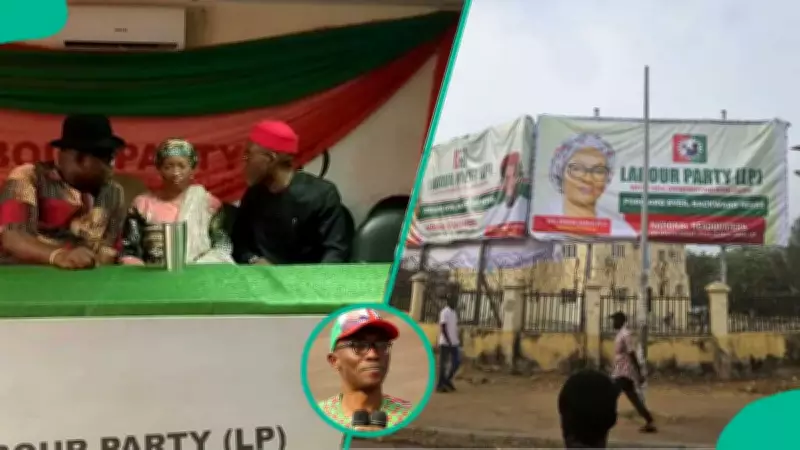
Senator Nenadi Usman Assumes Control at Labour Party National Secretariat
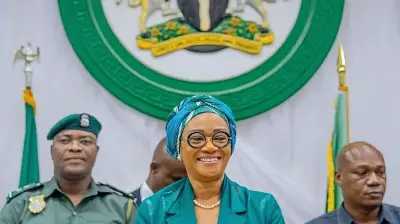
In a significant political development, Senator Nenadi Usman has formally taken charge as the new national chairman of the Labour Party, resuming duties at the party's national secretariat located in Abuja. This transition follows a recent court judgement that affirmed her leadership position, marking a pivotal moment for the embattled political organization.
Visible Rebranding Signals Leadership Shift
Observers visiting the Labour Party headquarters on Tuesday, February 10, noted substantial changes to the premises that clearly indicate the transfer of authority. Large billboards and banners featuring former national chairman Julius Abure have been systematically removed from the complex. These have been replaced with prominent portraits of Senator Usman, creating a visual representation of the new leadership structure.
Supporters and party loyalists gathered around the secretariat as activities gradually resumed, with many describing this moment as a potential turning point for the party's future direction. The atmosphere reflected both anticipation and uncertainty as the organization navigates this critical transition period.

Legal Foundation for Leadership Change
The Federal High Court in Abuja has officially removed Julius Abure from his position as Labour Party national chairman. Justice Peter Lifu based this judgement on the Supreme Court's earlier declaration that recognized Senator Esther Nenadi Usman, a former finance minister, as the valid national chairman of the party.
This court ruling effectively ends the prolonged leadership dispute that has plagued the Labour Party for months. The judgement further instructs the Independent National Electoral Commission to recognize the Nenadi Usman-led caretaker committee as the sole legitimate authority representing the party until a national convention can be held to elect new leaders through proper democratic processes.
Ongoing Internal Resistance and Party Challenges
Despite the court's clear ruling, the Abure faction has indicated plans to challenge the judgement through an appeal process. This ongoing resistance highlights the deep divisions within the party that continue to threaten its stability and effectiveness as a political force.
The Labour Party has experienced significant setbacks in recent times, losing approximately twenty-one lawmakers as internal conflicts intensified. The party has become sharply divided between the caretaker committee led by Senator Usman and the faction remaining loyal to Abure, creating a fierce struggle for control that has weakened the organization's political standing.
This internal crisis reached a critical point on December 31, 2025, when Peter Obi, the party's 2023 presidential candidate, officially defected from the Labour Party to join the African Democratic Congress. This high-profile departure represents a substantial blow to the party's credibility and electoral prospects.
Additional Legal and Political Complications
Further complicating matters, the Federal High Court in Abuja has upheld the exclusion of Labour Party candidates from the upcoming Area Council elections scheduled for February 21 in the Federal Capital Territory. Justice Peter Lifu delivered this separate judgement, refusing to compel INEC to accept or publish the party's list of candidates for these polls.
The court determined that the suit filed by the Labour Party and its candidates was statute-barred, having been submitted outside the mandatory fourteen-day period allowed by law after the cause of action initially arose. This decision represents another significant setback for the party's immediate electoral ambitions.
Notable Defections and Political Realignments
Senator Ireti Kingibe, the lawmaker representing Abuja at the National Assembly, has recently abandoned the Labour Party for the African Democratic Congress. The senator cited the persistent internal crisis within the Labour Party as the primary reason for this political shift, specifically mentioning concerns about INEC's inability to recognize either faction's leadership.

Kingibe expressed apprehension that this leadership confusion could negatively impact her political prospects in the anticipated 2027 elections, prompting the decision to seek a more stable political platform. This defection follows a pattern of departures that has significantly diminished the Labour Party's legislative presence and political influence.
Senator Nenadi Usman's assumption of leadership represents a historic moment as she becomes Nigeria's first female national chairman of a political party. However, the challenges facing her administration are substantial, requiring careful navigation of legal appeals, party reconciliation, and electoral strategy development to restore the Labour Party's political relevance.