Analyst Predicts Orlu State as Frontrunner After 7 New State Bills Pass Second Reading
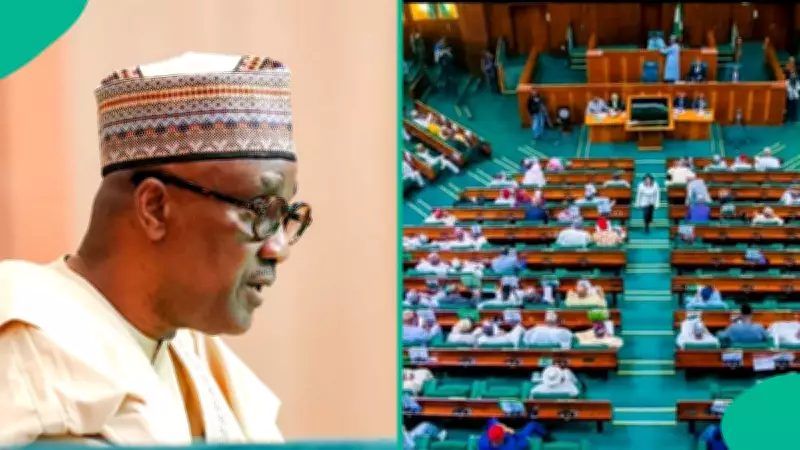
Seven bills proposing the creation of new states in Nigeria have successfully scaled second reading in the House of Representatives, signaling a renewed push for constitutional restructuring and governance reform. Lawmakers from various regions sponsored these bills, which aim to carve out new administrative entities from existing states, potentially reshaping Nigeria's geopolitical landscape if approved.
List of Proposed States
The seven proposed states currently under consideration include Ibadan State, Orlu State, Tiga State, Etiti State, Oke-Ogun State, Ife-Ijesa State, and Ijebu State. Each proposal represents efforts to address regional representation and administrative efficiency across the country.
Analyst Highlights Orlu State as Most Likely to Succeed
In an interview, Nigerian policy analyst AbdulRasheed Hussain emphasized that Orlu State stands out as the most probable candidate for approval among the seven proposals. He explained that the National Assembly has shown intent to ensure the South-East region achieves parity with other zones by having six states. Currently, the South-East is the only region with just five states, making it underrepresented in Nigeria's federal structure.

Hussain stated, "From my perspective, among the seven proposed states that have passed second reading, Orlu State stands out as the most likely to eventually be approved. This is because the National Assembly has already signaled its intent to ensure the South-East region attains parity with other regions by having six states."
Implications for Governance and Constitutional Restructuring
Observers suggest that the approval of any new state would mark a significant milestone in Nigeria's constitutional restructuring process. This move could address long-standing debates about representation, equity, and administrative efficiency across the nation's diverse regions. The successful passage of these bills through second reading indicates growing momentum for changes that may redefine Nigeria's governance framework and regional dynamics.
The process involves careful legislative scrutiny, and further readings and approvals are required before any new state can be officially established. Analysts continue to monitor developments closely, as these proposals could have far-reaching effects on Nigeria's political and administrative landscape.