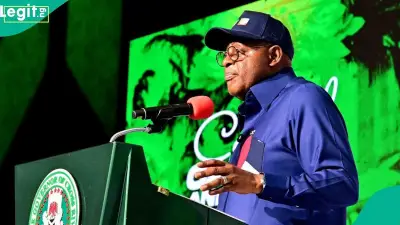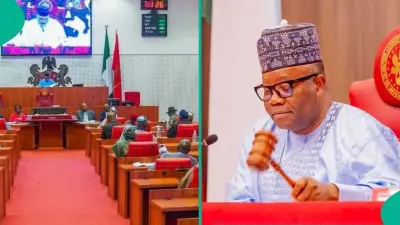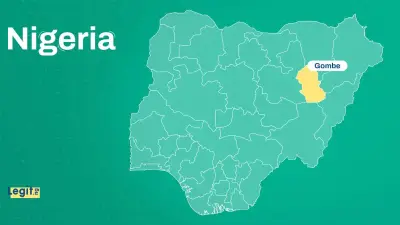
Nigeria's Minister of Power, Adebayo Adelabu, has officially resigned from his position, submitting his resignation to President Bola Tinubu on April 22, 2026. The move clears the way for Adelabu to pursue his ambition of becoming the next governor of Oyo State.
Adelabu's Resignation and Political Aspirations
In his resignation letter, Adelabu expressed gratitude to President Tinubu for the opportunity to serve and contribute to reforms in the power sector. He stated that his decision to step down was driven by his desire to focus on his gubernatorial ambition in Oyo State. Adelabu previously contested the governorship in 2019 under the All Progressives Congress (APC) but lost to incumbent Seyi Makinde of the People's Democratic Party (PDP).
Challenges During His Tenure
Adelabu's three-year tenure as Power Minister was marked by significant challenges, including a sharp decline in Nigeria's power generation capacity. In 2026, thermal power plants shut down due to a gas shortage, leading to widespread blackouts. This sparked protests in Lagos, Osun, and Edo states as citizens and businesses faced severe electricity shortages.

In March 2026, Adelabu held a press conference apologizing to Nigerians for the poor power supply, attributing the crisis to factors beyond the government's control. The gas shortage was linked to a backlog of payments owed to gas suppliers. Power generation companies claimed the federal government's unfunded electricity subsidy debt stood at 6 trillion naira, though the Tinubu administration later revised the figure to 3.3 trillion naira.
Government Response and Future Outlook
President Tinubu approved the process to begin paying the debt, but the power situation has not yet improved. In his final press conference, Adelabu stated that Nigeria requires a $10 billion investment to achieve a stable power supply. To address the issues, Tinubu established the Grid Asset Management Company (GAMCO) to enhance power generation and transmission and tackle the national grid's poor performance.
Currently, Nigeria struggles to produce 4,000 megawatts for over 200 million people, despite an installed capacity of 15,000 megawatts. Speaking at the Federal Executive Council on April 21, Tinubu blamed the previous administration's flawed privatization process for the sector's woes.
As Adelabu steps down, the public awaits the President's appointment of a new minister to lead the ministry and address the power sector's persistent challenges.