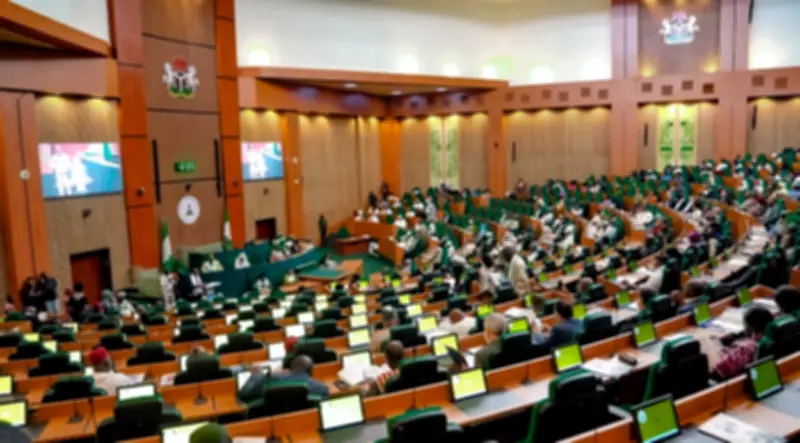
House of Representatives in Chaotic Session Over Electoral Act Amendment
The House of Representatives was engulfed in a tumultuous and rowdy session on Tuesday, February 17, as lawmakers engaged in heated disagreements over a critical motion. The motion sought to rescind the passage of the Electoral Act Amendment Bill, specifically targeting the provision for real-time electronic transmission of election results, which had been a contentious issue in recent legislative debates.
Motion to Rescind Real-Time Clause Sparks Controversy
The Chairman of the House of Representatives Committee on Rules and Business formally moved the motion, urging the House to reverse its earlier decision on the bill. This bill, which was originally passed on December 23, included the real-time electronic transmission clause, a measure aimed at enhancing transparency and efficiency in Nigeria's electoral process. The motion was presented in alignment with the Senate's position, which had expressed reservations about the feasibility and security of real-time electronic transmission of results, citing concerns over potential technical glitches and cybersecurity threats.
Voice Vote Leads to Protests and Executive Session
When the Speaker of the House, Tajudeen Abbas, put the motion to a voice vote, the chamber erupted in chaos. Observers noted that the "nays"—voices opposing the motion—were significantly louder than the "ayes" in support. Despite this audible disparity, Speaker Abbas controversially ruled that the ayes had it, effectively allowing the motion to proceed. This ruling immediately triggered loud protests and objections from numerous lawmakers, who began shouting and expressing their dissent vociferously. The uproar grew so intense that it disrupted the normal proceedings, prompting Speaker Abbas to call for an immediate executive session to address the escalating tensions behind closed doors.

The session highlighted deep divisions within the House over electoral reforms, with some lawmakers arguing that rescinding the real-time clause would undermine efforts to modernize Nigeria's elections and combat electoral fraud. Others supported the motion, emphasizing the need for caution and further consultation on electronic transmission methods. This incident underscores the ongoing challenges in Nigeria's legislative process as it grapples with balancing innovation and security in electoral administration.