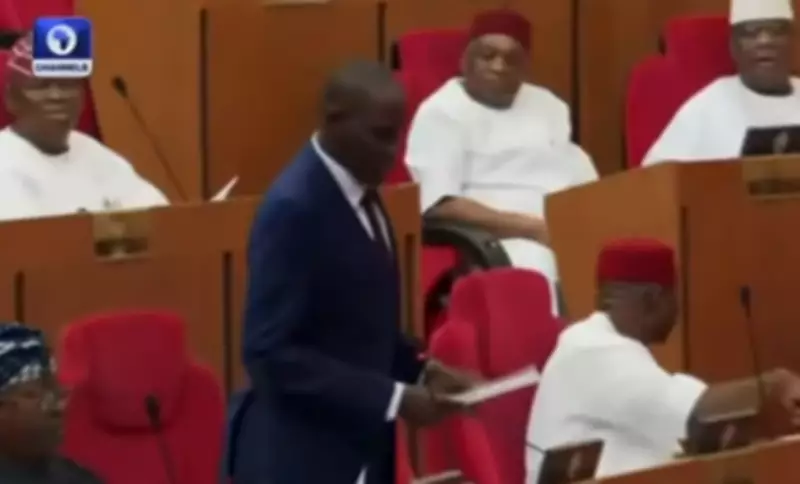
The Nigerian Senate has initiated an emergency plenary session to deliberate on the highly contentious amendments to the Electoral Act. This urgent sitting was convened in response to escalating protests from various Nigerian citizens and civil society organizations, who are advocating for the inclusion of mandatory real-time electronic transmission of election results in the legislation.
Background and Context of the Emergency Session
The emergency plenary comes less than a week after the Senate passed the Electoral Act Amendment Bill for the year 2026. The swift recall of senators highlights the pressing nature of the issues at hand, as public outcry has intensified over the proposed changes to the electoral framework.
Key Issues Driving the Protests
At the heart of the protests is the demand for mandatory real-time electronic transmission of election results. Proponents argue that this measure is crucial for enhancing transparency, reducing electoral fraud, and bolstering public confidence in the democratic process. The absence of such a provision in the initial bill has sparked significant debate and mobilization among activists and concerned citizens.

Leadership and Participation in the Plenary
The session is being presided over by the President of the Senate, Senator Godswill Akpabio. It is attended by the remaining senators, indicating a full or near-full assembly to address the urgent matters. This demonstrates the Senate's recognition of the gravity of the situation and its commitment to engaging with public concerns in a timely manner.
Implications for Nigeria's Electoral System
The outcome of this emergency plenary could have far-reaching implications for Nigeria's electoral integrity and democratic governance. Decisions made during this session may shape the future of how election results are transmitted and verified, potentially setting a precedent for technological integration in the electoral process.
As the Senate continues its deliberations, stakeholders across the nation are closely monitoring the proceedings, hoping for resolutions that align with the demands for greater electoral transparency and accountability.