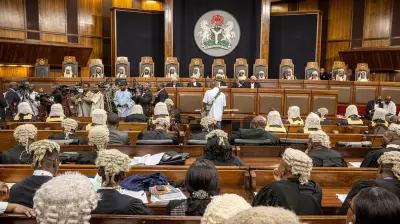
Senate Leadership Sparks Controversy Over UN Women's Delegation Changes
The leadership of the Nigerian Senate has ignited significant political concerns by removing Senator Natasha Akpoti-Uduaghan from Nigeria's official delegation to the 70th session of the United Nations Commission on the Status of Women. This decision has raised serious questions about gender representation in Nigeria's political engagements, particularly as the senator was replaced with a male counterpart for an event specifically focused on women's rights and gender equality issues.
Delegation Changes Amid UN Women's Rights Conference
The United Nations Commission on the Status of Women (CSW70) is currently convening at the UN headquarters in New York, running from March 9 to March 19, with a primary focus on improving access to justice for women and girls while accelerating gender equality initiatives globally. As a member state, Nigeria is expected to sponsor a delegation to participate in crucial discussions and negotiations during this significant international session.
However, concerns have emerged regarding Nigeria's delegation composition after Senator Akpoti-Uduaghan, representing Kogi Central, was removed from the list despite earlier assurances of her inclusion. The development has drawn attention to Nigeria's ongoing challenges with female political representation and has sparked debate about the appropriateness of sending a male senator to a women-focused international forum.

Conflicting Accounts and Broken Assurances
During a February 25 meeting of the Senate Committee on Appropriations, Senator Akpoti-Uduaghan publicly complained about being sidelined and removed from the delegation list for the UN women's event. She explained that she had initially been invited by the Ministry of Women Affairs to participate in Nigeria's delegation and had promptly submitted the required passport documentation as requested.
Despite her timely compliance, the senator received notification from the ministry stating she would no longer be attending, citing late submission of details as the reason. This explanation contradicted her actual submission timeline and raised questions about the true motivations behind her exclusion.
Senator Ireti Kingibe, Chairperson of the Senate Committee on Women Affairs and representative of the Federal Capital Territory, initially denied that Akpoti-Uduaghan had been removed from the delegation. Kingibe explained that she had recommended Akpoti-Uduaghan to the Ministry of Women Affairs after two other female senators declined participation in the event.
Kingibe had assured Akpoti-Uduaghan of her inclusion, even promising that if the Kogi senator did not attend, she herself would also abstain from the event. However, these assurances proved empty when Akpoti-Uduaghan was ultimately excluded from the final delegation list.
Official Communication and Unofficial Explanations
In a formal letter dated March 5, Senator Kingibe explained to Akpoti-Uduaghan that the Ministry of Women Affairs had not yet responded to the delegation's sponsorship request. However, she noted that the Senate had agreed to sponsor herself and Senator Adeniyi Adegbonmire of Ondo Central to attend the women's event.
The letter stated clearly that only two senators had been officially nominated and registered for the event: Kingibe in her capacity as Chairperson of the Senate Committee on Women Affairs, and Senator Adegbonmire as Chairman of the Senate Committee on Judiciary, Human Rights, and Legal Matters.
Kingibe apologized for any inconvenience caused by the development and suggested that Akpoti-Uduaghan could join the delegation personally if she already possessed a valid US visa. However, an anonymous staff member of the Senate Committee on Women Affairs provided a different perspective, suggesting that the Senate leadership removed Akpoti-Uduaghan due to concerns that she might raise controversial issues at the event that could potentially tarnish Nigeria's international image.

Political Tensions and Gender Representation Concerns
The decision to replace a female senator with a male counterpart at a women-focused international forum has drawn criticism from gender equality advocates and political observers. While the Senate leadership maintains the authority to determine who represents Nigeria at international events, critics argue that this particular decision does not demonstrate commitment to women's political inclusion.
This development occurs against a backdrop of existing tension between Senator Akpoti-Uduaghan and the Senate leadership, particularly following her sexual harassment allegation against Senate President Godswill Akpabio. The Kogi senator has reportedly not been in favorable standing with Senate leadership since making these allegations.
Nigeria's Persistent Gender Representation Challenges
This incident highlights Nigeria's ongoing struggle with female representation in political leadership and international engagements. Despite government commitments to promote gender inclusion, Nigeria remains among countries with the lowest female representation in parliament globally.
The Inter-Parliamentary Union ranks Nigeria among the lowest African nations for women's representation in parliament, with fewer than 5% of National Assembly seats currently held by women. This persistent underrepresentation has led advocates to connect the issue with Nigeria's repeated failure to pass crucial gender equality legislation, including the Gender and Equal Opportunities Bill and the Reserved Seats for Women Bill.
Women in Nigeria have long voiced concerns about their underrepresentation in political leadership positions and international diplomatic engagements. The current controversy surrounding the UN women's delegation serves as a stark reminder of the challenges facing gender equality advocates in Nigeria and across Africa, raising important questions about political will and genuine commitment to women's inclusion in decision-making processes at both national and international levels.