Sowore Asserts Most Nigerian Lawmakers Would Fail in Transparent Electoral Process
Human rights activist and prominent politician, Omoyele Sowore, has made a striking declaration regarding the state of Nigeria's electoral system. According to Sowore, an overwhelming 90 per cent of the nation's lawmakers and other elected officials would not secure their positions if elections in Nigeria were conducted with full transparency and integrity.
Context of Sowore's Remarks on Electoral Reforms
Sowore delivered this pointed critique while addressing the ongoing controversy surrounding recent amendments to Nigeria's Electoral Act. His comments specifically focused on provisions related to the electronic transmission of election results, a topic that has generated significant public debate and scrutiny.
The backdrop to this discussion involves legislative action taken on Tuesday, February 10, when the Nigerian Senate approved amendments to the Electoral Act. These changes formally permit the electronic transmission of election results, a reform that many citizens and advocacy groups have long demanded as a crucial step toward electoral credibility.

The Controversial Manual Collation Clause
However, the amended legislation includes a contentious provision that has drawn criticism from various quarters. Lawmakers retained a clause allowing for manual collation of election results in areas where internet connectivity is deemed insufficient or fails completely. Critics, including Sowore, argue that this exception creates a potential loophole that could undermine the very transparency the electronic transmission system aims to achieve.
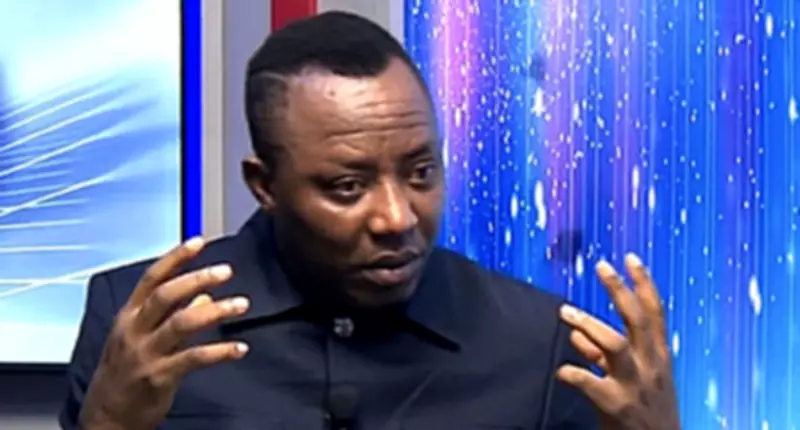
During an appearance on Channels Television on Wednesday, February 11, Sowore elaborated on his perspective. He contended that many legislators are fundamentally reluctant to enact reforms that would genuinely strengthen electoral transparency because they believe such changes would jeopardize their political careers and seats in government.
Sowore's Critique of Network Coverage Argument
Sowore directly challenged the justification often presented for maintaining manual collation options. According to the activist, the argument that poor network coverage in certain states necessitates manual processes is merely a convenient excuse rather than a legitimate technical concern.
"This excuse that there is no network in some states is just another balloon air on the part of these guys," Sowore stated emphatically during the television interview. "They don't want transparent elections because if elections are transparent, 90 per cent of them will not make it to the National Assembly and of course the presidency and other elected positions. They know that."
Implications for Nigeria's Democratic Process
Sowore's remarks highlight deeper concerns about the relationship between electoral integrity and political self-preservation in Nigeria's democracy. His assertion suggests that the resistance to comprehensive electoral reforms may stem from calculated self-interest rather than genuine logistical or technical considerations.
The activist's comments come at a time when Nigeria continues to grapple with questions about the credibility of its electoral processes and the transparency of its political institutions. Sowore's perspective adds to ongoing conversations about how electoral reforms might reshape the composition of Nigeria's legislative and executive branches if implemented without compromise.
This development underscores the complex interplay between technological advancement in electoral systems and the political calculations of those currently holding elected office. As debates about the Electoral Act amendments continue, Sowore's stark assessment provides a provocative framework for understanding the stakes involved in Nigeria's journey toward more transparent democratic practices.