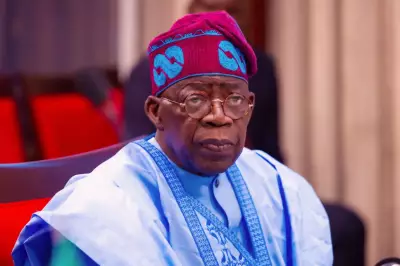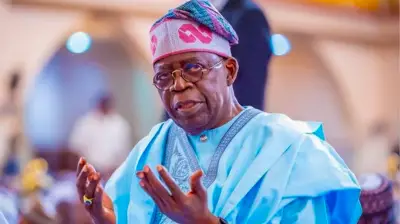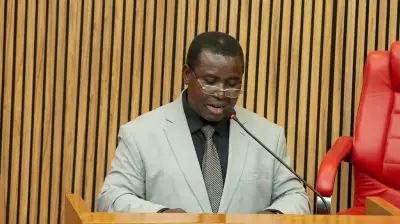
The Nigerian Supreme Council for Islamic Affairs (NSCIA) has disclosed crucial information about the recent private meeting between President Bola Tinubu and the Sultan of Sokoto, Alhaji Muhammad Sa'ad Abubakar III. This significant encounter occurred at the Presidential Villa in Abuja on Friday, November 7, 2025.
Background of High-Level Consultations
According to Dada Olusegun, the Special Assistant to the President on Social Media, the Sultan's visit forms part of President Tinubu's ongoing dialogue with religious and traditional leaders across Nigeria. The president's engagement strategy aims to strengthen national unity and promote social cohesion throughout the country.
This meeting followed closely after President Tinubu's discussion with the Archbishop of Abuja, Bishop Ignatius Ayau Kaigama, demonstrating the administration's balanced approach to religious dialogue. The timing of these consultations becomes particularly significant given recent international developments concerning Nigeria's religious landscape.

Trump's Provocative Designation
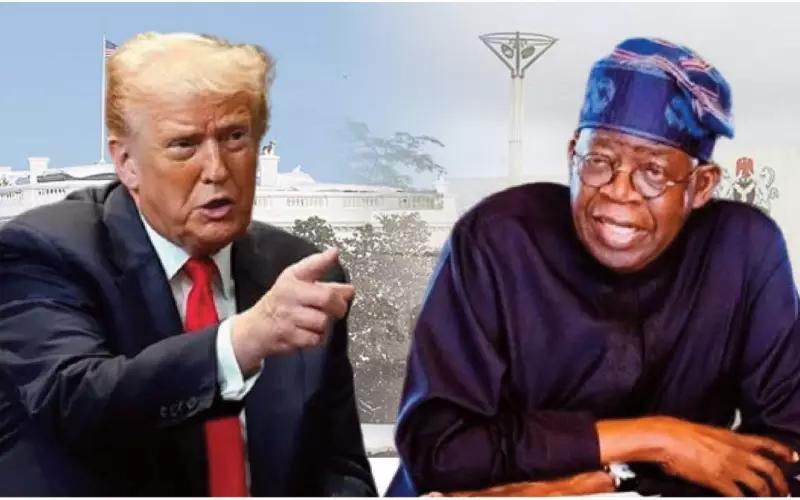
The context of these high-level meetings includes recent statements from United States President Donald Trump, who has taken a strong stance against Nigeria regarding religious violence. Nine days prior to the Sultan's meeting with President Tinubu, the United States redesignated Nigeria as a "Country of Particular Concern".
President Trump expressed grave concerns about the situation facing Christians in Nigeria, stating unequivocally that "Christianity is facing an existential threat in Nigeria". He further claimed that "thousands of Christians are being killed" and attributed this violence to radical Islamists.
The American leader emphasized his determination to address the situation, noting that the designation was "the least of it" in terms of potential actions. This redesignation followed extensive campaigning by American and European far-right politicians and commentators who have alleged that Christian genocide is occurring in Nigeria.
Muslim Concerns and Presidential Assurance
Professor Ishaq Oloyede, the Secretary-General of NSCIA, revealed details of the Sultan's conversation with President Tinubu during a media briefing in Abuja on Sunday. He explained that the Sultan utilized the opportunity to directly convey the "feelings and anxieties" of Nigerian Muslims to the president.
The Muslim community's concerns about perceived marginalization were presented comprehensively during the meeting. Professor Oloyede recalled that during the last NSCIA General Purpose Committee (GPC) meeting, members resolved to seek an audience with President Tinubu to discuss pressing issues affecting Muslims nationwide.
"One of the resolutions taken by the GPC was that we should book an appointment to discuss with the President of Nigeria," Oloyede stated. "At the meeting today, the report was given since our President-General had met with Mr. President. He told us clearly that he conveyed the feelings of the Muslims, and we have no reason to doubt him."
According to the NSCIA Secretary-General, President Tinubu provided firm assurances that Muslims would not face marginalization in governance or national policymaking. "Mr. President assured him that Muslims are not going to be marginalised; we are not going to be 'designated', and that he should reassure the Muslim community that there is no plan to encroach on our rights and privileges," Oloyede added.
Government Position on Security Challenges
The Nigerian government has maintained its position that Christians are not being specifically targeted in security incidents, while simultaneously acknowledging the country's broader security challenges. This stance represents the administration's effort to provide balanced perspective on the complex security situation affecting various communities across Nigeria.
The meetings with both Muslim and Christian leaders demonstrate the government's commitment to addressing religious concerns through dialogue and consultation, rather than through confrontational approaches.