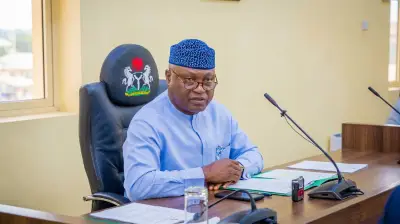
President Tinubu Announces Boost in Federal Allocations to States and Local Governments
President Bola Tinubu has made a significant announcement regarding federal allocations, stating that both state and local governments are now receiving increased and more predictable funding from the federal government. This development aims to strengthen the capacity of sub-national governments to deliver essential services and drive development at the grassroots level.
Enhanced Financial Support for Service Delivery
The president revealed this information during his address at the second edition of the National Economic Conference held in Abuja on Monday, February 9. The event was attended by Vice President Kashim Shettima and governors from all 36 states of the federation.
According to President Tinubu, the enhanced financial allocations will make it easier for state and local governments to fulfill their obligations, including paying salaries, executing infrastructure projects, and providing social services to citizens. This move comes as part of broader efforts to improve governance and service delivery across Nigeria.

The president emphasized that this financial boost represents a crucial step toward empowering local administrations and ensuring they have the necessary resources to address the needs of their communities effectively.
Addressing Insecurity Through Grassroots Development
During his speech, President Tinubu also addressed the persistent security challenges facing the nation, acknowledging that these issues have caused sleepless nights for many of the country's leaders. He maintained that taking development to the grassroots level represents the most sustainable solution to Nigeria's numerous crises.
The president expressed confidence that with proper implementation of development initiatives at the local level, Nigeria would eventually overcome terrorism, banditry, and other security threats that have plagued various regions of the country.
Supreme Court Ruling and Local Government Autonomy
This announcement comes approximately two months after President Tinubu called on state governors to comply with the Supreme Court judgment regarding local government autonomy. The president had previously emphasized that local government areas would not achieve true autonomy unless they received their allocated funds directly, as mandated by the Supreme Court ruling.
The Supreme Court's decision on local government autonomy has been a significant development in Nigeria's governance structure, with implications for how resources are distributed and managed at the sub-national level.
Public Reactions and Concerns
The president's announcement has generated mixed reactions from Nigerians, with many expressing both optimism and skepticism about how the increased allocations will be utilized at the local government level.
Several citizens have raised concerns about transparency and accountability in the utilization of these funds. Some have questioned whether the increased allocations will actually translate to improved services and infrastructure at the grassroots level, while others have called for stricter monitoring mechanisms to ensure proper utilization of the resources.
Public comments have highlighted various perspectives:
- Concerns about whether local governments are effectively utilizing existing allocations
- Calls for enhanced monitoring of local government expenditures
- Questions about compliance with the Supreme Court ruling on financial autonomy
- Expressions of support for the president's initiative
- Skepticism about whether increased funding will actually reach communities
Previous Statements on Local Government Autonomy
This latest development follows previous statements by President Tinubu regarding local government autonomy. In December, the president had threatened to invoke executive powers to ensure financial autonomy for local governments if state governors failed to comply with the Supreme Court ruling.
The president's consistent emphasis on local government autonomy and improved funding reflects his administration's focus on strengthening governance structures at all levels and ensuring that development initiatives reach the grassroots where they are most needed.

As Nigeria continues to navigate various economic and security challenges, the implementation of these enhanced allocations and the proper utilization of resources at the local government level will be crucial factors in determining their impact on national development and service delivery to citizens across the country.