President Tinubu Engages Sultan of Sokoto in Crucial Talks
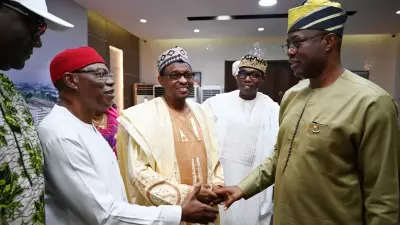
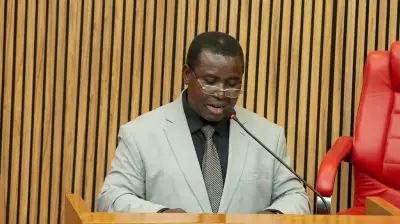
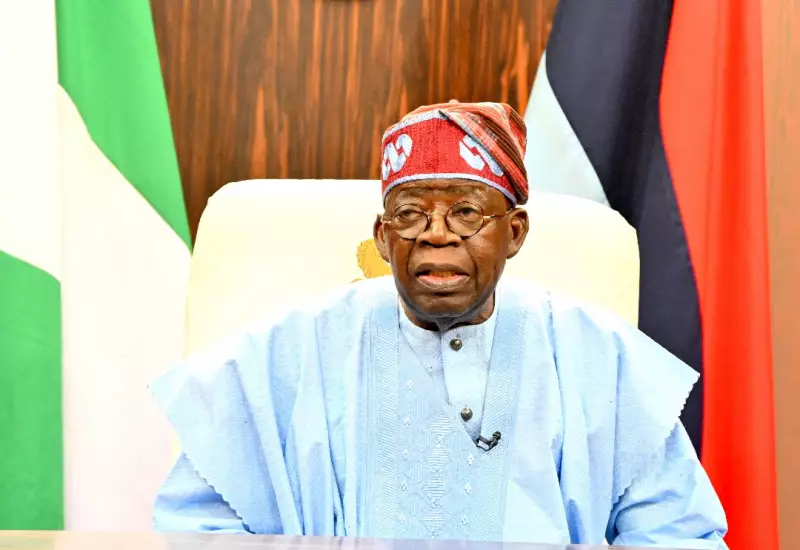
President Bola Tinubu held a significant meeting with the Sultan of Sokoto, His Eminence Muhammad Sa'adu Abubakar, at the State House in Abuja on Friday. This high-level engagement forms part of the administration's ongoing consultations with prominent religious and traditional leaders across Nigeria.
The meeting gains particular importance following recent comments by former U.S. President Donald Trump that alleged increasing religious persecution and human rights violations within Nigeria. The Speaker of the House of Representatives, Tajudeen Abbas, accompanied the Sultan to this crucial discussion held in the President's office.
Strengthening Interfaith Dialogue and National Unity
This courtesy visit occurs just days after President Tinubu held similar discussions with the Catholic Archbishop of Abuja, Most Rev. Ignatius Ayau Kaigama. These consecutive meetings demonstrate the administration's deliberate effort to foster meaningful interfaith dialogue and promote stronger national cohesion.

Officials at the Presidency have described these engagements as vital for reassuring both domestic and international audiences about Nigeria's unwavering commitment to religious freedom. The administration aims to counter narratives suggesting that religious pluralism faces growing threats in the country.
President Trump's claims, which received widespread circulation in Western media, portrayed Nigeria as a nation where religious minorities face increasing challenges and where authorities struggle to protect fundamental rights. These assertions have prompted strong reactions from various Nigerian religious leaders and government officials, who maintain that Nigeria remains a vibrant multi-faith democracy with constitutional protections for every citizen's freedom of worship.
The Sultan's Pivotal Role in National Peacebuilding
The Sultan of Sokoto serves not only as the foremost spiritual leader for Nigerian Muslims but also as the President-General of the Nigerian Supreme Council for Islamic Affairs (NSCIA). This dual position establishes him as a critical voice in national peace-building initiatives and interfaith harmony.
His engagement with President Tinubu carries substantial weight at a time when Nigeria's human rights record faces renewed international scrutiny. Nigeria hosts Africa's largest populations of both Christians and Muslims, and has historically navigated complex religious tensions exacerbated by security challenges including terrorism, banditry, economic difficulties, and governance issues.
Over the past decade, attacks by extremist groups such as Boko Haram and ISWAP have intensified suspicions among different faith communities, particularly in northern regions. Successive Nigerian governments have collaborated with religious clerics to counter radical narratives, promote tolerance, and address underlying communal grievances.
The Tinubu administration has repeatedly emphasized its commitment to defending constitutional liberties, including freedom of worship, while simultaneously addressing the root causes of insecurity. Friday's meeting with the Sultan represents part of a broader strategy to enhance faith diplomacy and elevate the role of religious leaders in national conversations concerning security, civic rights, and global perceptions.
While specific details of the discussions remain confidential, government officials confirm that Nigeria will continue engaging with both domestic and international stakeholders to ensure that matters of faith are neither politicized nor misrepresented. Further consultations with other religious groups are anticipated in the coming days as the administration strengthens its outreach to diverse faith communities.