NOA Advocates for Merit-Based Public Service to Strengthen Governance
The National Orientation Agency (NOA) has issued a strong call for a deliberate transition away from patronage and personal connections towards merit-based practices within Nigeria's public service. The agency emphasized that such a fundamental shift is essential for rebuilding public trust and enhancing the overall effectiveness of governance across the nation.
Director-General's Remarks at Abuja Accounting Week
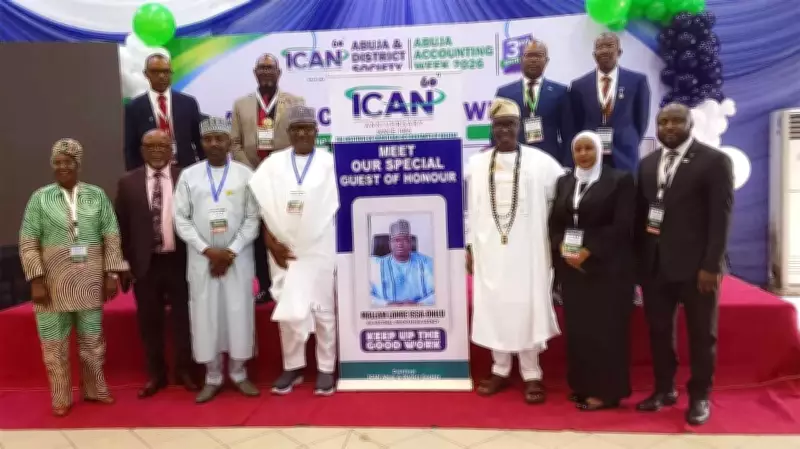
Lanre Issa-Onilu, the Director-General of the NOA, delivered this message during a seminar held as part of the third edition of the Abuja Accounting Week. The event was organized by the Institute of Chartered Accountants of Nigeria (ICAN), Abuja and District Society. Issa-Onilu, who was represented by the agency's Director of Communication and Media, Bala Musa, spoke in Abuja over the weekend, highlighting the critical need for systemic change.
He stated that Nigeria's development prospects will remain severely limited if merit continues to be overshadowed by personal connections and undue influence. According to Issa-Onilu, sustainable progress hinges on establishing systems that actively reward competence, integrity, and transparency in all public dealings.

The Impact of Merit on National Development
"A nation where merit is rewarded over connection, where transparency guides decision-making, and where accountability is upheld at all levels is a nation that can attract investment, inspire confidence and achieve sustainable growth," Issa-Onilu asserted. He warned that consistently sidelining merit in favor of patronage not only weakens public institutions but also distorts opportunities and erodes citizen confidence in governance structures.
The NOA boss linked Nigeria's recurring challenges, including widespread corruption and systemic inefficiency, to a significant disconnect between shared national aspirations and the actual conduct observed in both public and private sectors. He pointed out that this gap undermines efforts toward meaningful development and reform.
National Values Charter Initiative
Issa-Onilu explained that the NOA's National Values Charter, operating under the Nigerian Identity Project, is specifically designed to address these deep-seated issues. The initiative aims to promote a culture of responsibility among citizens and ensure greater accountability in leadership. It seeks to foster a system where fairness and due process are rigorously upheld, while individuals are encouraged to act with discipline and integrity in their professional and personal lives.
Call to Professionals and Accountants
Furthermore, Issa-Onilu urged professionals, particularly accountants, to lead by example by upholding the highest ethical standards in their work. "Professionalism must go beyond technical skill. It must reflect honesty, discipline and respect for due process. When these values are upheld, institutions become stronger and more reliable," he emphasized.
He called on ICAN to integrate the core principles of merit, accountability, and integrity into its training and professional development programs, ensuring that future generations of accountants champion these values.
Support from ICAN and Broader Implications
Also speaking at the seminar, Air Vice Marshal Abubakar Idris Adamu (retd.), a member of the ICAN Governing Council, noted that the event's theme was intended to remind citizens and professionals of their responsibilities, especially in supporting government policies. He stressed that the effective implementation of reforms, including tax policies, depends heavily on discipline and ethical conduct from all stakeholders.
"If you are not disciplined in terms of your value, if you are not professional, implementation of such policies will be difficult," Adamu stated. He added that trust between the government and citizens must be strengthened through greater transparency and accountability, emphasizing that both sides have crucial roles to play in this process.
Adamu elaborated, "There should be visible utilization of taxes by government, while citizens must also fulfil their obligation by paying taxes and filing returns appropriately."

Timely Theme and Collective Effort
In his opening remarks, AbdulRazak Aliyu, Chairman of the organizing committee, described the seminar's theme as particularly timely, citing a steady decline in moral standards across Nigerian society. He called for a collective effort to restore core values, urging professionals to prioritize public interest above personal gain and to uphold integrity in all their conduct.
The seminar attracted participants from various sectors, with discussions focusing on strengthening institutions, promoting ethical leadership, and aligning public service practices firmly with merit-based principles. This gathering underscored a growing consensus on the need for systemic reform to drive national progress.