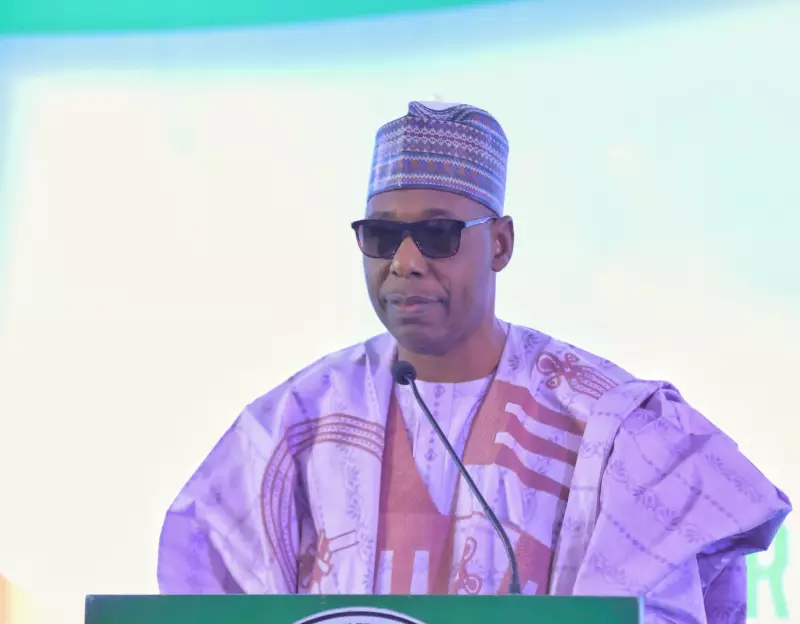
In a significant move to address critical staffing shortages in rural healthcare facilities, Borno State Governor, Professor Babagana Umara Zulum, has announced a substantial increase in rural allowances for medical personnel. The policy, which took effect on January 1, 2026, promises to dramatically improve incentives for doctors and nurses serving in remote areas.
Game-Changer for Rural Healthcare
Governor Zulum unveiled the new incentive structure on Tuesday, following an extensive inspection tour of projects in the northern part of the state. He explicitly framed the decision as a direct response to a persistent crisis in human resources for health, which he described as "one of our nightmares in this administration."
The governor approved a 100 per cent rural allowance for medical doctors working under the State Hospital Management Board in designated rural communities. This allowance is equivalent to their total basic salary. For nurses and midwives serving in the same areas, a 40 per cent increment of their total salary has been approved.

Addressing the Brain Drain to INGOs
Zulum provided a candid rationale for the bold financial intervention. He revealed that an investigation showed a significant number of the state's medical doctors prefer employment with International Non-Governmental Organizations (INGOs) due to more competitive salary packages.
"INGOs pay better than state government salaries. So we must ensure that our wages are fair," the governor stated. He expressed strong belief that the new allowance structure will bridge this pay gap and serve as a magnet to attract and retain medical professionals in state-run rural hospitals.
"I believe this will bridge the gap and ensure many will run to the hospitals in villages," Zulum said. He called on willing medical personnel to report to the Hospital Management Board promptly for deployment to general hospitals in the Local Government Areas (LGAs).
Tour Highlights Broader Development Focus
The announcement was made during a working visit that underscored the administration's focus on rural development. The governor's delegation assessed the Government Secondary School (GSS) Gubio, where Zulum directed the immediate provision of necessary facilities for all laboratories and the library.
The tour also included inspections of two general hospitals and ongoing housing estates in both Gubio and Magumeri Local Government Areas.
Governor Zulum was accompanied by a high-powered delegation including Senator Mohammed Tahir Monguno representing Borno North, House of Representatives members Usman Zannah and Engr Bukar Talba. Key commissioners present were Professor Usman Tar (Information and Internal Security), Engr Mustapha Gubio (Works and Housing), Sugun Mai Mele (Local Government and Emirates Affairs), and Engr Tijjani Alkali Goni (Water Resources), alongside many senior government officials.
The substantial increase in rural allowances is seen as a pivotal strategy to combat the dire shortage of medical personnel in Borno's rural hospitals, a challenge that has long hampered healthcare delivery in the state's remote communities.