Lagos monarch says traditional rulers now reign without ruling
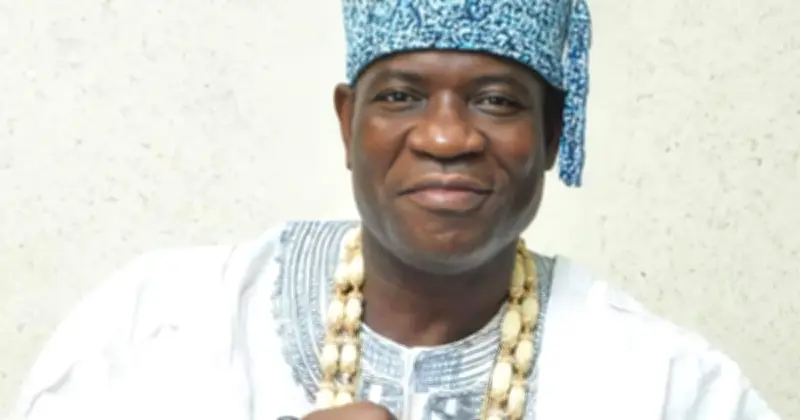
Nigerian kings still wear the crowns, but real authority now sits elsewhere, according to the Adeboruwa of Igbogbo Kingdom in Lagos State, Oba Semiudeen Kasali. Speaking from his palace to mark a decade on the throne, the monarch offered a blunt assessment of his own office: traditional rulers, he said, now reign without ruling.
"The power resides, in fact, in any local government; the chairman of the local government is the chief executive, is the governor of that local government. There's no power in the palace anymore," Oba Kasali said, describing how authority shifted from royal institutions to elected and constitutional bodies.
Constitutional changes stripped traditional rulers of formal governance roles
A lawyer by training and a former state counsel in the Lagos State Ministry of Justice, the monarch said the erosion shows up most clearly when palace decisions collide with the courts. "Some people are not bound to obey what we say in the palace because they want to exercise their constitutional right to approach court; you cannot stop them," he explained.

Nigeria's early constitutions—the 1951 Macpherson Constitution, the 1960 Independence Constitution and the 1963 Republican Constitution—actually gave traditional rulers formal seats in legislative councils, particularly in the North and West. But the 1979 and 1999 constitutions reversed course, stripping traditional rulers of formal governance roles and reducing them to ceremonial figures.
Monarchs push for a defined constitutional role
Oba Kasali isn't alone in pushing back against that arrangement. He backed ongoing efforts by traditional rulers nationwide to secure a defined constitutional role, while cautioning that any reform must carry real weight. "Even if you are giving us a role, what kind of roles are we going to be given?" he asked.
His concern echoes a broader campaign. At a National Council of Traditional Rulers of Nigeria event last October, Imo State Governor Hope Uzodimma argued that traditional rulers carry out governance, security and social-order functions "even without legal recognition," and described their constitutional exclusion as "a gap that must be filled."
Oba Kasali wants palace mediation made mandatory in certain disputes
For Oba Kasali, the fix isn't just symbolic recognition—it's enforceability. He wants palace mediation made a mandatory first step in certain disputes, particularly land and communal cases that otherwise drag through the courts for years. He pointed to a colonial-era precedent: decisions from the palace simply needed to not be "repugnant to natural justice, equity and good conscience" to be legally sanctioned.
Today, he argued, even properly resolved palace matters get reopened in court, with some parties going as far as joining the king himself as a defendant. "So where is that respect any longer?" he asked.
Monarchs face kidnappings and erosion of values
The monarch also linked the institution's struggles to a wider erosion of values, including the rise of "moneybags" with questionable character occupying royal stools, something he blamed on kingmakers and communities who, in his words, "don't care about the implications of who occupies the seat."
Asked about the wave of kidnappings targeting monarchs nationwide, he said it reflects a broader security and values breakdown rather than any targeted hostility toward kings: "Monarchs are being kidnapped because they see us as a soft target."
Ten years on the throne, Oba Kasali focuses on development
Beyond the question of power, Oba Kasali pointed to tangible work in his own domain: coordinating with police and community groups to curb waterway-based crime around Igbogbo, and overseeing improvements in roads, schools and healthcare. Ten years in, he says he still views his ascension as "a mystery" and one he hopes to spend the next decade turning into lasting development for his people.