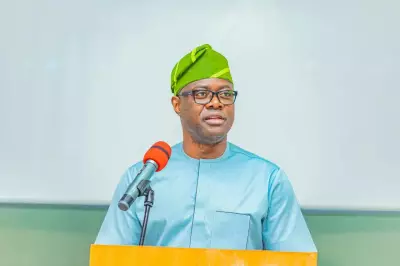
The year 2025 has been recorded as a pivotal period for Delta State under the leadership of Governor Sheriff Oborevwori. It was a year characterized by strategic governance, where the administration's MORE Agenda—focusing on Meaningful development, Opportunities for all, Realistic reforms, and Enhanced peace and security—translated into tangible outcomes across the state.
Global Engagements and Domestic Infrastructure Surge
Governor Oborevwori pursued a clear strategy of seeking international partnerships to drive local development. His official visits to China, Germany, and Brazil were targeted missions. In China, talks focused on road construction technology, industrial parks, and clean energy. German engagements centred on renewable energy and technical education, while the Brazil trip aimed to boost agro-industrialisation and bio-energy.
This international drive was complemented by the Renewable Energy Investment Forum in Abuja, where the Governor pitched Delta as a prime destination for clean energy investment, highlighting policy consistency and available land.

At home, infrastructure development accelerated dramatically. The state witnessed progress on over 70 road projects, covering more than 150 kilometres. To combat flooding and protect these assets, over 120 kilometres of drainage systems were constructed.
Major urban congestion points also received attention, with flyover construction approved at Otovwodo Junction in Ughelli and Uromi Junction in Agbor. These projects joined the nearly completed flyovers in Effurun and Warri, executed by Julius Berger, to improve traffic flow and city aesthetics.
Capital Budget and Sectoral Advancements
The infrastructure momentum is set to continue, backed by the recently signed 2026 Appropriation Bill of N1.73 trillion. Notably, over 70% of this budget is allocated to capital expenditure, signalling a deep commitment to infrastructure-led growth for the coming year.
In healthcare, the administration rehabilitated or upgraded over 60 primary healthcare centres. General hospitals in more than 10 locations also received facility upgrades and modern equipment. The Delta State Contributory Health Commission expanded its reach, reducing healthcare costs for residents, especially the vulnerable and elderly.
The education sector saw significant investment. Over 400 public primary and secondary schools benefited from classroom repairs, new furniture, and perimeter fencing. A major tertiary education milestone was achieved with the opening of the Southern Delta University campus at Orerokpe, expanding access in Delta Central. The main campus in Ozoro also saw new faculty buildings and lecture theatres completed.
Scholarship and bursary programmes were sustained, benefiting tens of thousands of undergraduates and postgraduates. Special support was extended to children of deceased civil servants and Delta State Law School students.
Water, Urban Renewal, and Social Empowerment
Access to clean water improved through over 90 water projects, including boreholes and reticulation systems, particularly in rural and riverine communities.
Urban renewal gained momentum in cities like Asaba, Warri, Effurun, Ughelli, and Agbor. Projects included expanded street lighting, environmental cleanup, and road beautification to create more liveable cities. Practical energy steps were taken, such as installing solar-powered streetlights in several communities.
Social empowerment remained a cornerstone. Thousands of Deltans, including widows, youths, women, and persons with disabilities, benefited from cash grants, vocational tools, agricultural inputs, and entrepreneurship training. Youth-focused ICT training programmes aimed directly at tackling unemployment.
Throughout 2025, Governor Oborevwori's leadership style emphasized consultation, stability, and steady progress over dramatic shifts. As the year closed, it stood as one of consolidation and impactful planning. With a capital-intensive budget now in place for 2026, the administration has positioned Delta State firmly on a trajectory of sustained and inclusive growth.