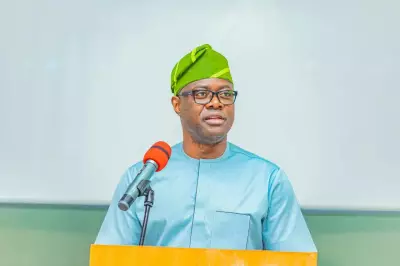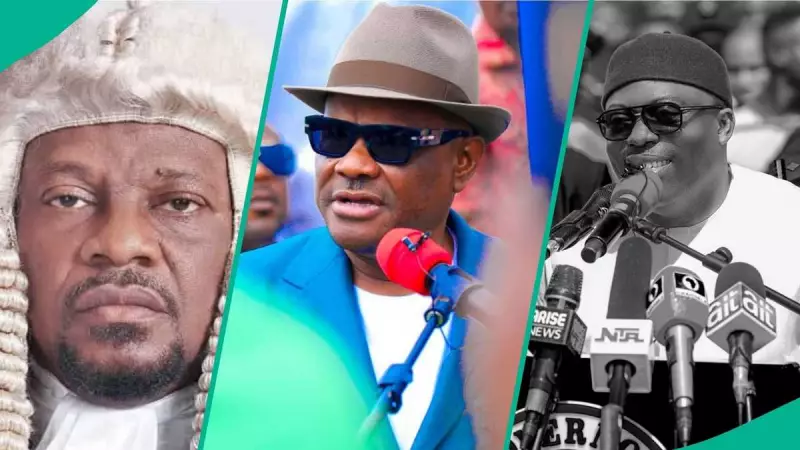
Port Harcourt, January 16, 2026 – The political landscape in Nigeria's oil-rich Rivers State was thrown into fresh turmoil on Friday as the State House of Assembly officially commenced impeachment proceedings against Governor Siminalayi Fubara and his deputy, Professor Ngozi Odu.
Unanimous Vote Launches Investigation
In a decisive move that signals a severe escalation of the state's protracted political crisis, members of the Rivers State House of Assembly convened and unanimously voted to investigate allegations of gross misconduct leveled against the state's top two executives. This parliamentary action marks the formal beginning of the impeachment process, casting a long shadow over the administration's stability.
The decision was reaffirmed during a live press conference held in Port Harcourt, where lawmakers presented a united front. They accused Governor Fubara of engaging in acts of blackmail and asserted that he has lost the trust necessary to steer the state through its current challenges. "Our parliament is left with no other choice but to exercise its legislative powers," declared one lawmaker, who spoke on the condition of anonymity. "The governor and his deputy have continuously undermined the Constitution and intimidated the House."

Shifting Allegiances and Constitutional Breaches
A significant development preceding the vote was the recantation of four assembly members who had previously advocated for a political solution to the impasse. In a notable shift, these lawmakers pledged their full support for the impeachment proceedings, consolidating the House's position.
The core of the lawmakers' grievances hinges on alleged serious breaches of the 1999 Constitution of Nigeria. They detailed what they described as repeated and unacceptable attempts by the executive arm to influence and intimidate the legislative branch. These actions, they claim, left the Assembly with no viable alternative but to pursue the constitutional route of impeachment.
Despite the heightened tensions, the legislators acknowledged and expressed gratitude for the intervention of President Bola Tinubu in the state's political affairs. They further called on the Speaker of the House, Martin Amaewhule, to reconvene the House urgently to address the grave matter with the seriousness it deserves.
Uncertainty Looms Over Oil-Rich State
The initiation of the impeachment process plunges Rivers State into a period of intense political uncertainty. Observers and stakeholders across the nation are now closely monitoring the unfolding situation, which is expected to dominate the state's political discourse for weeks to come.
The next phase involves a detailed investigation into the specific allegations of gross misconduct. The outcome of this probe will determine whether the House will proceed to draw up formal impeachment charges against Governor Siminalayi Fubara and Deputy Governor Ngozi Odu. All eyes remain on the Assembly chambers in Port Harcourt as this high-stakes political drama continues to develop.