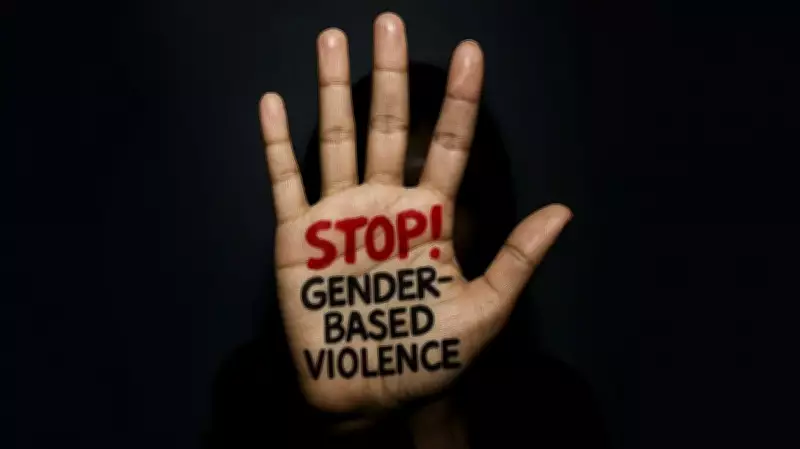
West and Central African First Ladies Unite in Banjul to Combat Gender-Based Violence
First Ladies from across West and Central Africa converged in Banjul, The Gambia, on April 10, 2026, to push for stronger regional action against gender-based violence (GBV). The high-profile forum adopted a unified stance of zero tolerance and committed to translating high-level pledges into measurable outcomes, addressing what participants described as one of the region's most urgent and persistent challenges.
Forum Details and Key Participants
The meeting was held under the Sub-Saharan Women's Empowerment and Demographic Dividend Plus (SWEDD+) initiative. It was co-hosted by the government of The Gambia and the Economic Community of West African States (ECOWAS), with support from key international partners such as the United Nations Population Fund (UNFPA), the World Bank, and the Economic Community of Central African States (ECCAS).
Prominent figures at the opening ceremony included Fatoumata Bah-Barrow and Marie Koné Faye, alongside other First Ladies from SWEDD+ countries and Cameroon. Also present were Omar Alieu Touray and Fatou Sow Sarr, as well as ministers, African Union representatives, and development experts.

Opening Remarks and Regional Commitments
In his opening remarks, Vice President Mohamed B.S. Jallow, representing President Adama Barrow, reaffirmed The Gambia's commitment to combating GBV. He stressed the need for stronger enforcement and prevention strategies to protect women and girls.
Omar Alieu Touray delivered the keynote address, underscoring ECOWAS' central role in coordinating regional responses. He highlighted efforts to harmonise legal frameworks and strengthen institutional capacity, noting that while policy frameworks exist, implementation gaps continue to expose millions to violence, harmful practices, and entrenched inequalities.
Forum Deliberations and Development Goals
The forum built on deliberations from earlier ministerial and expert meetings, which revealed both progress and persistent shortcomings in prevention, service delivery, and legal enforcement across the region. Participants agreed that addressing GBV is closely tied to broader development goals, including improved health outcomes, economic empowerment, and achieving the demographic dividend.
Key Outcomes and Instruments Endorsed
A major outcome of the meeting was the endorsement of key instruments, including a Regional GBV Roadmap (2026–2028) and a Legal Scorecard aimed at tracking countries' compliance with policy commitments. These tools are expected to enhance accountability and guide coordinated action across member states.
The defining moment came with the signing of a Joint Declaration on Zero Tolerance for Gender-Based Violence by the First Ladies. This signaled a collective resolve to use their platforms to drive change at both national and regional levels.
Discussions on Tangible Impact and Partnerships
Discussions throughout the forum emphasised the need to move beyond declarations to tangible impact. Participants called for:
- Increased investment in prevention
- Improved access to justice
- Survivor-centred services
- Efforts to dismantle harmful social norms
The establishment of a Regional Technical Working Group on GBV was also welcomed as a practical step to strengthen coordination and ensure sustained follow-up on commitments.
Stakeholders further stressed the importance of inclusive partnerships, urging greater collaboration with civil society, communities, and development partners. Particular focus was placed on engaging men and boys, empowering young people, and scaling community-level interventions.
Closing Urgency and Future Pledges
The Banjul meeting closed with a renewed sense of urgency, as participants agreed that eliminating gender-based violence is both a human rights imperative and a strategic investment in the region's future. The first ladies pledged to sustain advocacy and ensure that commitments made in Banjul translate into concrete action, sending a clear message that the fight against gender-based violence must be decisive, coordinated, and immediate.