Nigeria Substitutes Female Senator with Male for UN Women's Forum Amid Ongoing Dispute
In a controversial move, Nigeria has withdrawn Senator Natasha Akpoti-Uduaghan from its delegation to the 70th session of the United Nations Commission on the Status of Women, replacing her with a male senator. This decision has ignited widespread criticism from gender advocates and observers, highlighting concerns over gender representation and political dynamics within the Nigerian Senate.
Details of the Delegation Change
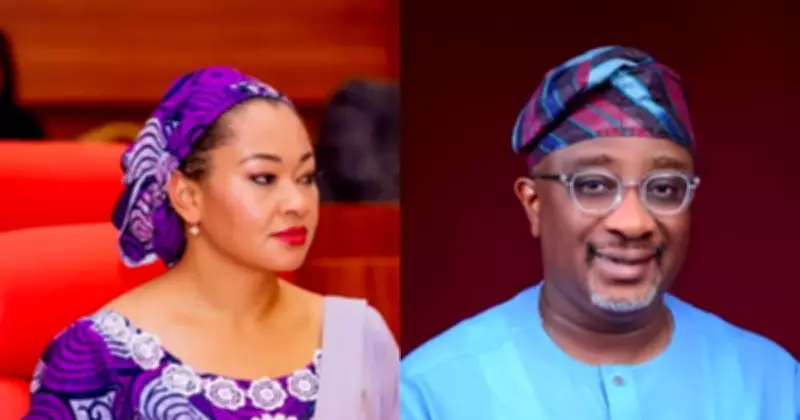
The UN forum, taking place from March 9 to 19 at the United Nations headquarters in New York, focuses on advancing gender equality and enhancing access to justice for women and girls globally. Nigeria's final delegation list has raised eyebrows after Akpoti-Uduaghan, one of the few female senators, was omitted in favor of a male colleague. The Federal Ministry of Women Affairs had initially invited her to participate, requesting her passport details, which she promptly submitted. However, she later received notification that her submission was too late, leading to her exclusion.
Senate Committee Involvement and Assurances
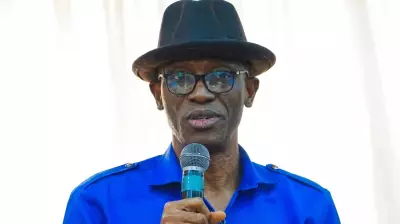
Senator Ireti Kingibe, Chairperson of the Senate Committee on Women Affairs, initially downplayed the exclusion claims, stating she had forwarded Akpoti-Uduaghan's name after two other female senators declined the opportunity. Kingibe even pledged to stay back if Akpoti-Uduaghan was not included. However, in a letter dated March 5, Kingibe confirmed that only two senators were officially nominated: herself and Senator Adegbonmire Adeniyi Ayodele, Chairman of the Senate Committee on Judiciary, Human Rights, and Legal Matters. She apologized for the development and advised Akpoti-Uduaghan to attend privately if she held a valid U.S. visa.

Underlying Political Tensions
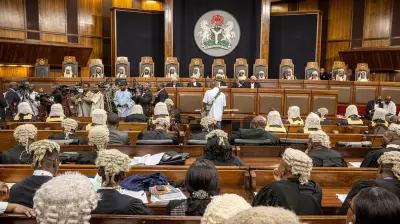
An anonymous Senate staff member suggested that the decision might be linked to concerns within Senate leadership that Akpoti-Uduaghan could raise sensitive issues at the international forum, potentially drawing negative attention to Nigeria. This exclusion is part of a broader pattern of conflict involving Akpoti-Uduaghan and Senate leadership. In February 2025, she publicly accused Senate President Godswill Akpabio of sexual harassment and abuse of office after a seat relocation she described as retaliatory. The Senate Ethics Committee dismissed her petition on technical grounds, and she was suspended for six months, with her legislative privileges frozen, salary cut, security detail removed, and office access denied. Legal experts questioned the suspension's legality, citing court precedents that limit such punishments to a maximum of 14 days, interpreting it as political victimization.
Implications for Gender Representation
The optics of Nigeria sending a male senator to a forum dedicated to women's rights, instead of a female lawmaker who had been invited, are difficult to defend. This move has sparked debates about the country's commitment to gender equality and the treatment of female politicians. Supporters of Akpoti-Uduaghan view this as a continuation of the pattern of marginalization she has faced, while critics argue it undermines Nigeria's stance on women's empowerment on the global stage.
The situation underscores ongoing challenges in Nigerian politics, where internal conflicts can impact international representation and gender advocacy efforts. As the UN Women's forum progresses, this incident may influence discussions on Nigeria's role in promoting women's rights and the need for transparent and inclusive delegation processes.