PWD Advocates Demand Tinubu's Government Enforce Disability Act, End Systemic Exclusion
In a powerful appeal, persons with disabilities (PWDs) in Nigeria have delivered a resolute message to the administration of President Bola Ahmed Tinubu, urging immediate and decisive action on the implementation of the nation's Disability Act. This call, emanating from Abuja, highlights ongoing frustrations with what advocates describe as persistent marginalization across governance, infrastructure, and social systems.
Movement Beyond Walls Leads Charge Against Marginalization
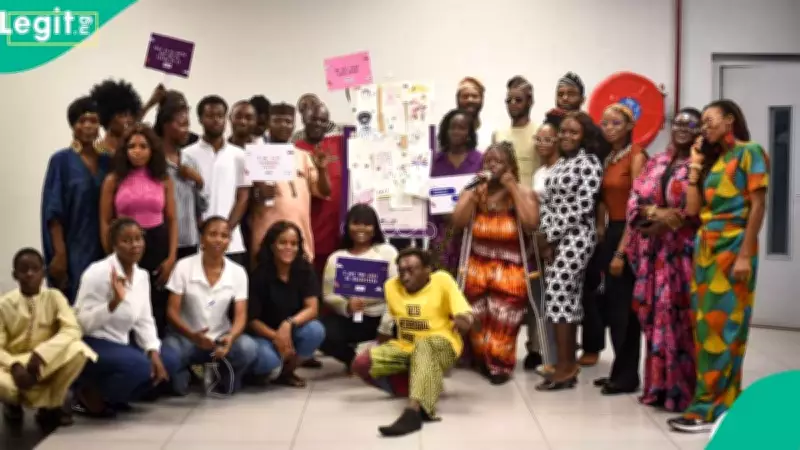
The advocacy was spearheaded by Pelemo Nyajo, founder of Movement Beyond Walls, who criticized the government for treating PWDs as "an afterthought" in national planning and development. Speaking at an inclusion-focused event designed to foster interaction between individuals with and without disabilities, Nyajo emphasized that despite legal protections, enforcement remains alarmingly weak.
Nyajo stated: "Persons with disabilities are not fully considered, even in national budgeting or government priorities. Infrastructure remains inaccessible; public buildings, recreational centres, and even basic facilities like bathrooms exclude wheelchair users." She pointed out that societal attitudes, including prejudice and ableism, continue to severely limit opportunities for PWDs, underscoring the need for a cultural shift alongside policy changes.

Shift from Aid to Empowerment and Grassroots Inclusion
Advocates are pushing for a fundamental transformation in how disability issues are addressed, moving beyond temporary aid measures to long-term solutions that promote independence. Nyajo argued: "It's not just about giving out aid. We need systems that ensure independence for persons with disabilities. Accessibility, representation, and grassroots inclusion must be prioritised." This sentiment was echoed by other stakeholders who stressed the importance of practical action over mere policy promises.
Eva Chukwunelo Calls for Action Beyond Paper Policies
Disability inclusion advocate and visual archivist Eva Chukwunelo reinforced the urgency, noting that since the Disability Act's inception in 2018, tangible progress has been minimal. "Since 2018, we've talked about the Disability Act, but institutions are still inaccessible. It's time to move from paper to action," she asserted. Chukwunelo described the event as a crucial platform for building understanding and bridging gaps between diverse groups, emphasizing that inclusion begins with genuine comprehension and empathy.
Event Highlights Need for Safe and Inclusive Spaces
Development activist Maureen Alor highlighted the gathering as a model for inclusive engagement, stating: "I've found a sense of belonging here. This is what a real safe space should look like; where people are allowed to be themselves and connect genuinely." The event underscored the critical need for creating environments that accommodate all individuals, regardless of physical ability, and strengthening advocacy efforts to ensure no one is left behind.
The collective message from PWD advocates is clear: the Tinubu administration must accelerate efforts to enforce the Disability Act, address infrastructural barriers, and foster a society where inclusion is not just a policy but a lived reality. With stakeholders demanding concrete steps, the call for action resonates as a pivotal issue in Nigeria's ongoing development narrative.