As 2025 drew to a close with its familiar drumbeat of crises and division, a powerful new force emerged on the global stage, offering a surprising beacon of hope for the future. This force is Generation Z, whose members across the developing world are no longer waiting patiently for change. They are taking to the streets, demanding jobs, economic opportunity, affordable living, and urgent action on climate change. Their message to political leaders is unequivocal: adapt and deliver, or make way for those who will.
A Global Wave of Youth-Led Movements
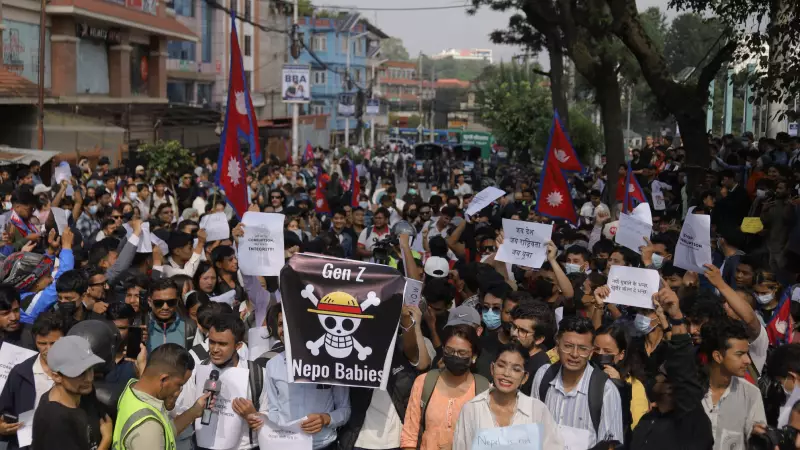
The spark for this new wave of political engagement can be traced to recent, dramatic events. In Nepal in September 2025, the government's ban on 26 social media platforms—used to expose politicians' lavish lifestyles—ignited massive protests. The situation escalated when the 73-year-old Prime Minister K.P. Sharma Oli mocked the young demonstrators. After security forces fired on crowds, killing at least 19 and injuring hundreds, enraged protesters set parliament ablaze and ransacked Oli's home, forcing his resignation the next day.
This pattern is not isolated. Many point to Sri Lanka in 2022 as a precursor, where an economic collapse fueled a youth-led uprising that ultimately stormed the residence of then-President Gotabaya Rajapaksa, forcing him to flee the country. Similarly, in Bangladesh, a brutal crackdown on students protesting job quotas backfired, swelling protest ranks until they marched on the office of then-76-year-old Prime Minister Sheikh Hasina, who subsequently fled to India.

In Kenya, President William Ruto's proposed tax hikes met fierce resistance from Gen Z protesters. Despite deadly force from security forces, the movement persisted. After demonstrators stormed and partially burned parliament, Ruto withdrew the tax plan and fired most of his cabinet. Meanwhile, in Peru, protests over pensions expanded into a broader outcry against corruption and insecurity, leading to the removal of President Dina Boluarte.
Practical Demands and Proven Solutions
Far from seeking to dismantle systems without cause, these young activists are rallying behind clear, practical objectives: creating employment, rooting out corruption, and investing in a sustainable future. Their concerns resonate globally, as wages and job security have been eroded by successive crises from the 2008 financial meltdown to the pandemic and the war in Ukraine.
The issue of youth unemployment is a critical battleground, but solutions exist. The European Union's Youth Guarantee programme offers a powerful blueprint. Following the sovereign-debt crisis, countries like Portugal, Ireland, Greece, and Spain made dramatic progress. For instance, Portugal slashed youth unemployment from 34.7% in 2014 to 18.3% by October 2025, while Greece reduced it from a staggering 52.8% to 22.4% over a decade. The program guarantees young people a job, apprenticeship, or training within four months of leaving education or becoming unemployed.
Fighting corruption is tougher but achievable. It requires professional, well-paid civil services, strong oversight, and real political accountability. Technology can be a powerful ally. Rwanda's digitised public procurement system reduced corruption opportunities, and Georgia's electronic tender system showed measurable early improvements. Protecting whistleblowers and maintaining public anti-corruption databases are also vital tools for transparency.
The Climate Imperative and an Affordable Future
For Gen Z, the climate crisis is an existential threat intertwined with economic justice. The good news is that the economics of clean energy are shifting rapidly. The cost of utility-scale solar power fell by 85% between 2010 and 2020, and battery storage costs dropped by over 90% in the same period. While investment in grids and storage is still needed, renewables promise independence from volatile fossil fuel prices and trade disruptions.

Ultimately, for a generation grappling with high costs and limited prospects, the demand for climate action is about more than cheaper electricity. It is a demand for a future defined by security and opportunity, not permanent instability. The message from streets around the world is clear: a new, hopeful politics is being written by its youngest citizens, and leaders everywhere would do well to listen.