IPAC Endorses Landmark Bill for 30% Youth Quota in Nigerian Parliament
In a significant move ahead of the 2027 general elections, the Inter-Party Advisory Council (IPAC) has publicly expressed its strong support for a proposed bill that seeks to reserve 30 per cent of seats in Nigeria's parliament for young people. This endorsement was announced during the Dialogue4Change Policy Roundtable, organized by the Youth Quota in Parliament Advocacy group in Abuja, marking a pivotal moment in efforts to reshape political representation in the country.
IPAC's Commitment to Inclusive Democracy
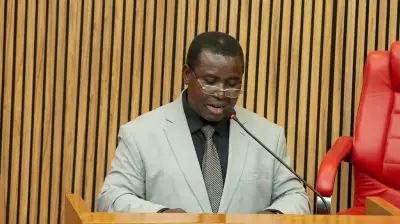
IPAC National Chairman, Alhaji Yusuf Dantalle, represented at the event by the council's National Treasurer, Dr. Dipo Olayoku, reaffirmed the organization's dedication to fostering inclusive political participation. Dantalle emphasized that the proposed legislation aligns seamlessly with ongoing initiatives to deepen democratic practices and strengthen the representation of marginalized groups, including young people, women, and persons with disabilities in elective offices.
"The aim, objective and purpose of the bill is valuable and should be supported by all lovers of inclusive democracy and pathway to strengthening governance in Nigeria," Dantalle stated, highlighting the bill's potential to complement existing reforms such as the Not-Too-Young-To-Run Act.

Details of the Proposed Youth Quota Bill
According to Dantalle, the bill aims to establish a 30 per cent quota for youths under 35 years of age in both national and state legislatures. He noted that while the Not-Too-Young-To-Run Act has opened up political space for young aspirants by lowering age requirements for elective offices, more deliberate measures are still necessary to translate eligibility into actual representation. Dantalle stressed that political parties must take intentional steps to reduce barriers limiting youth participation, particularly the high cost of nomination forms and internal party structures that often discourage young aspirants.
He also issued a timely warning to young Nigerians, urging them to begin early preparations ahead of the 2027 election cycle, as party primaries and nomination processes are set to commence in 2026. "The nomination timeline is critical. Those who fail to position themselves within the stipulated timeframe will not be part of the 2027 elections," he cautioned.
Advocacy and Legislative Progress
Convener of the Dialogue4Change initiative, Hon. Blessing Oyefeso, described the roundtable as a key milestone in the push for legislative reforms on youth representation in parliament. Oyefeso revealed that the bill, first introduced in October 2025, had already passed its first reading in the House of Representatives in November 2025 and is currently progressing through the legislative process. He stressed that the advocacy extends beyond mere legislation, emphasizing the need for political party commitments to ensure meaningful youth participation in the next electoral cycle.
"Our objective is to secure at least 20 per cent youth representation in the 11th National Assembly. We are not asking for charity, but for equity, inclusion, and the future of our democracy," Oyefeso asserted, underscoring the broader goals of the movement.
Calls for Structural Political Shifts
Also speaking at the event, the National Youth Leader of the All Progressives Grand Alliance (APGA), Comrade Onyebuchi Eze, called for a structural shift in Nigeria's political system to better reflect the country's youthful population. Eze argued that although young people constitute a significant majority of the population, they remain underrepresented in decision-making processes that shape their future.
"If youths are truly the leaders of tomorrow, then they must also be active participants in shaping today," he declared. Eze added that unlike corporate institutions that deliberately prepare succession plans, Nigeria's political system has not adequately created pathways for youth leadership development, highlighting a critical gap in governance.

Mixed Concerns and Broader Challenges
Participants at the roundtable expressed a range of concerns regarding youth participation in politics. Some speakers pointed out that young Nigerians are not yet adequately represented in governance despite their numerical strength and education, calling for stronger inclusion ahead of the 2027 elections. Others criticized persistent barriers, including high political costs and limited access to party structures, which continue to hinder youth engagement.
Additionally, broader concerns were raised about the political environment, with some participants alleging that trust in electoral processes is weakening. They urged comprehensive reforms to strengthen institutions and restore public confidence, indicating that the youth quota bill is part of a larger need for democratic renewal in Nigeria.