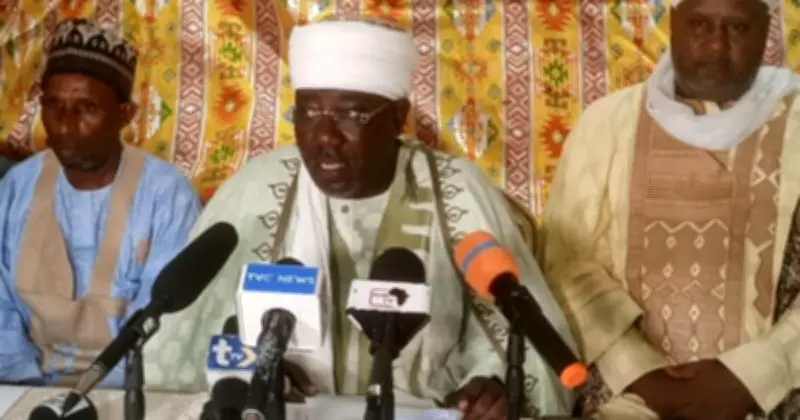
The Council of Fulani Chiefs in South-West Nigeria has firmly rejected the branding of their community as kidnappers and bandits, calling on Nigerians to avoid judging an entire ethnic group based on the actions of a few individuals under investigation.
Statement against ethnic stigmatization
In a statement issued on Tuesday, the council distanced the Fulani community from kidnapping and banditry, insisting that criminal activities allegedly committed by specific persons should not be used to stigmatize the entire ethnic group. The council's position comes amid rising public concern over insecurity and recent police investigations into alleged kidnapping activities in parts of Ogun State.
Speaking on behalf of the council, the Sarkin Fulani of Lagos and Chairman of the Council of Fulani Chiefs in the South-West, Alhaji Mohammed Bambado II, emphasized that Fulani communities across the region do not support kidnapping, banditry, armed robbery, or any other criminal activity. He stressed that the allegations currently being investigated by security agencies involve specific individuals and should not be used to label the entire Fulani population.

“The allegations under investigation concern specific individuals and should not be used to stigmatize the Fulani community or its traditional institutions,” Bambado said.
Arrest of a Fulani leader
The statement follows the arrest and investigation of a 67-year-old Fulani community leader, Abdullai Muhammadu, popularly known as the Seriki Fulani of Ijebu Ode, and his son over alleged links to kidnapping cases in Ogun State. Police authorities reportedly recovered a bag believed to have been used in ransom collection during the investigation. However, the suspect has denied any involvement in kidnapping activities, while investigations continue.
Reacting to public discussions surrounding the case, the Fulani chiefs warned against ethnic profiling and urged Nigerians to avoid associating criminal acts with an entire ethnic group. According to the council, millions of Fulani people across the country are law-abiding citizens engaged in legitimate occupations such as cattle rearing, agriculture, trading, and other economic activities.
Call for caution and support for security agencies
The council also called on the media, community leaders, and the public to exercise caution in their comments and reporting in order to prevent tensions that could undermine peaceful coexistence among different ethnic groups. At the same time, the chiefs reaffirmed their support for security agencies in the fight against crime, urging law enforcement authorities to investigate all criminal allegations thoroughly and prosecute anyone found guilty, regardless of ethnic or social background.
“We support the efforts of security agencies and encourage anyone with useful information to assist law enforcement in tackling criminality,” the council said.
The statement comes as kidnapping-for-ransom and banditry continue to pose serious security challenges in several parts of Nigeria, fueling concerns among residents and increasing pressure on authorities to improve safety. While security experts have repeatedly warned against ethnic profiling, insecurity has continued to generate heated debates across the country, particularly when suspects are linked to influential community figures.