British Widow Killed in Ghana Crash After Losing £1M to Romance Scammers
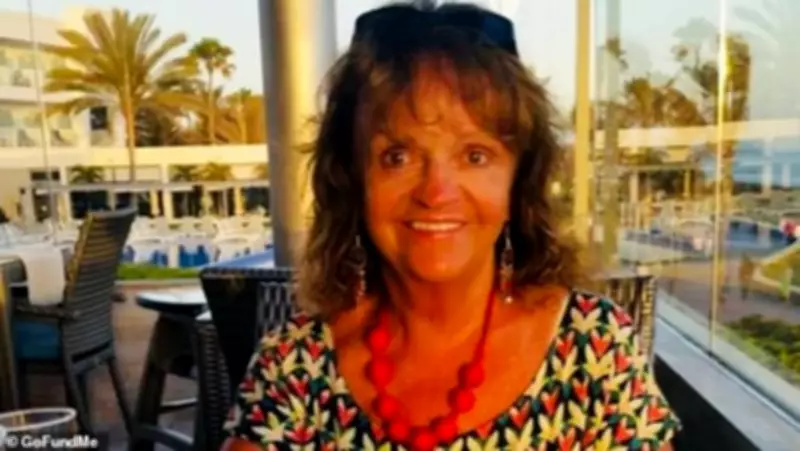
A British widow tragically died in a car crash in Ghana after being conned out of her entire £1 million life savings by romance fraudsters, as detailed in a recent inquest. Janet Fordham, 69, suffered fatal injuries in the collision on February 14, 2023, during a trip to Ghana that began in October 2022.
According to reports from Mail Online, Mrs. Fordham had been living in a caravan with her son Martin and daughter-in-law Melanie in Honiton, Devon, after depleting all her savings and selling her home and land. Her financial troubles originated in 2017 when she started using online dating websites and fell in love with a scammer posing as a British Army sergeant working in Syria.
Years of Financial Deception and Loss
Devon Coroner's Court heard that Mrs. Fordham was deceived into sending approximately £150,000 to this fraudster. Over a five-year period, she became a victim of multiple online scams, leading to the loss of her home and life savings. During this time, she transferred £140,000 of family money to scammers, withdrew the maximum £500 daily from ATMs, and even had her car seized to prevent further cash withdrawals.

Her family made desperate attempts to intervene, with detectives discussing fraud allegations with her in 2017, 2020, and 2022. However, police investigations were hindered as Mrs. Fordham refused to cooperate, leaving authorities unable to take further action.
Journey to Ghana and Fatal Crash
In October 2022, the retired housekeeper flew to Ghana to meet a man named Kofi, who claimed he could help recover her money. They had developed a romantic relationship and were traveling to seek approval from a family member for marriage when the fatal crash occurred on Valentine's Day 2023.
Kofi was driving when the vehicle left the road and crashed, resulting in Mrs. Fordham's fatal injuries. He later pleaded guilty to driving offences, receiving a suspended prison sentence and a fine. Detective Sergeant Ben Smith of Devon and Cornwall Police confirmed no evidence of third-party involvement in her death.
Complex Web of Fraud and Family Struggles
The initial romance fraud involved a man claiming to be a British Army sergeant major in Syria who needed help transporting gold bars to the UK. Mrs. Fordham believed they were in love and planned to buy a house together, as recounted by her daughter-in-law Melanie. Despite warnings, she sent large sums of money, later discovering she had been further defrauded by a 'diplomat' after her UK bank accounts were frozen.
Her family struggled to understand how she transitioned between scams, with money transferred via bank transfers, wire transfers at post offices, and potentially travel agents. Financial institutions eventually blocked her transactions due to fraud suspicions.
Kofi, who contacted Mrs. Fordham claiming to be a doctor in Ghana working part-time in a mobile phone repair shop, said he found her messages on a phone and felt compelled to help recover her funds. Police spoke to her about Kofi, but investigations stalled due to her lack of engagement.
Financial Desperation and Legal Limitations
Mrs. Fordham borrowed around £140,000 from family members, fell into arrears on loans and credit cards, and cashed in part of her pension. She continued withdrawing £500 daily to stockpile cash after electronic transfers were blocked. Her family, including her son Martin, expressed frustration that the system failed to protect her, as she was deemed of sound mind and thus they could not control her finances.
Detective Sergeant Smith noted that Mrs. Fordham was a sustained victim of fraud from 2017 to 2022, losing an estimated £800,000 to £1 million. This led to her selling all assets and living in a caravan. Police repeatedly advised her against contact with criminals, but she acted of her own free will.
Inquest Conclusion and Family Grief
Senior Coroner Philip Spinney recorded a narrative conclusion, stating that Mrs. Fordham died from a head injury sustained in the road traffic collision. He emphasized that she never made a formal police complaint or fully cooperated with investigations.

On a GoFundMe page to repatriate her body, her son Martin lamented that scammers manipulated her through coercive control, destroying her life and leaving her family powerless to help. He criticized the lack of support systems, noting that despite clear signs of control, legal constraints prevented intervention.
This case highlights the devastating impact of online romance fraud and the challenges families face in protecting vulnerable loved ones from financial exploitation.