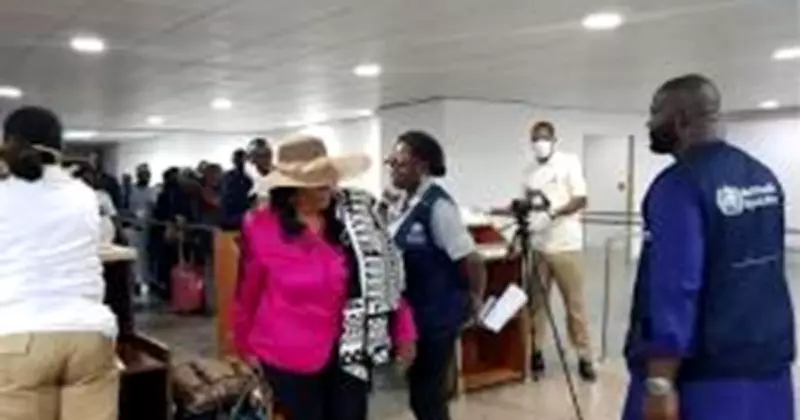
Lagos State health officials and aviation regulators have conducted an inspection of Murtala Muhammed International Airport (MMIA) to establish strict biosecurity measures and potential separate processing channels for passengers arriving from Ebola-affected nations. The move is part of efforts to prevent the virus from entering Nigeria amid ongoing outbreaks in parts of Africa.
High-level inspection at MMIA
The inspection was led by Lagos State Commissioner for Health, Prof. Akin Abayomi, along with other senior health officials, including Special Adviser to the Governor on Health, Dr Kemi Ogunyemi; Permanent Secretary of the Ministry of Health, Dr Dayo Lajide; and Director of Epidemiology, Biosecurity and Global Health, Dr Ismail Abdus-Salam. They were received by airport authorities led by Airport Manager and Regional General Manager, South-West MMIA, Olatokunbo Arewa, and representatives from Port Health Services, FAAN, NCAA, and other agencies.
Measures to reduce contact
The Lagos State Government is considering measures to reduce contact between travellers arriving from Ebola-affected countries and other passengers at MMIA. This includes exploring practical options to minimize unnecessary interaction, such as dedicated processing channels for high-risk passengers. Upgraded systems, including touchless temperature-monitoring devices and digital health declarations, are being deployed to screen inbound international passengers swiftly.

Prof. Abayomi stated, "Our objective is to create a bottleneck for the virus, not for passengers." He emphasized that Lagos cannot afford to be complacent, recalling the 2014 Ebola outbreak in Nigeria that began when an infected traveller arrived from Liberia through Lagos. The country was able to contain that outbreak through aggressive contact tracing, surveillance, and the efforts of frontline health workers.
Critical role of MMIA
MMIA handles about 70 percent of international passenger arrivals into Nigeria, making it a critical point for disease surveillance. Key pillars of the preparedness strategy include rapid detection of suspected cases, immediate isolation, safe evacuation procedures, and stronger digital monitoring of travellers from affected countries.
Dr Ogunyemi stressed the need for collaboration among federal and state agencies, airport operators, and frontline personnel. She said, "The frontline actually begins here at our ports of entry. As passengers arrive, you are among the very first people to interact with them, making your role critical in our disease surveillance and response efforts."
Preparedness and collaboration
Airport authorities have already begun upgrading preparedness systems, including deploying touchless sanitiser dispensers, temperature-monitoring devices, and improved passenger screening processes. The Head of Port Health Services at MMIA, Lawal Abdullahi, revealed that the airport reviewed and updated its Public Health Emergency Contingency Plan on March 18, 2026. The Airport Public Health Emergency Management Team has been activated, and risk assessments have been carried out to identify countries requiring increased surveillance.
NCAA Aeromedical Assessor, Dr Abayomi Asunbo, said international airlines have been directed to strictly comply with public health regulations before passengers are cleared for entry into Nigeria. FAAN's General Manager for Aviation Medical Services, Bilkis Ibrahim, added that additional protective equipment, multilingual public health advisories, awareness materials, and staff training programmes are being deployed across airports.
Current Ebola situation
Although the Nigeria Centre for Disease Control and Prevention (NCDC) has confirmed no Ebola case in Nigeria, health authorities maintain high vigilance due to ongoing outbreaks in Africa. According to the World Health Organisation (WHO), the Ebola outbreak linked to Bundibugyo virus disease continues in the Democratic Republic of the Congo (DRC) and Uganda. As of May 27, WHO reported 906 suspected cases and 223 deaths among suspected cases in the DRC. By May 29, a total of 134 confirmed cases, including nine in Uganda, and 18 confirmed deaths had been recorded across the two countries. A healthcare worker from the United States who treated Ebola patients in the DRC tested positive and is receiving treatment in Germany.

The inspection ended with a tour of passenger screening facilities and other critical airport infrastructure, with officials reaffirming their commitment to information sharing, coordinated preparedness, and rapid response mechanisms.