New York City Grapples with Deadly Cold Wave as 18 Lives Lost
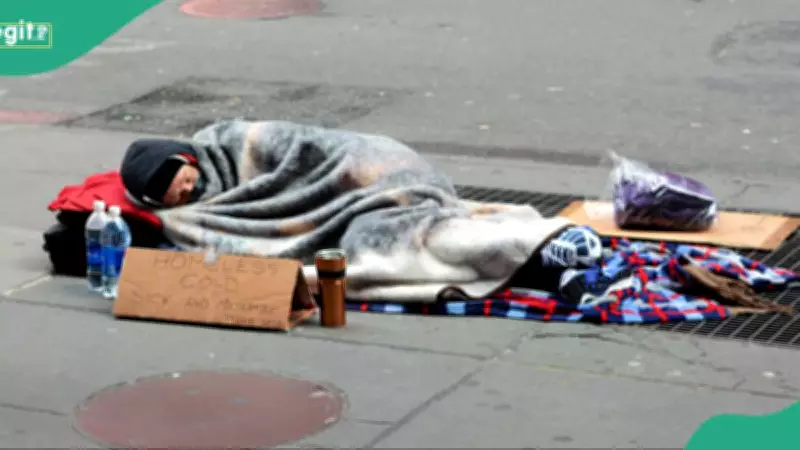
New York City has been struck by a devastating cold snap that has claimed the lives of 18 residents, according to official reports from city authorities. The fatalities occurred during a prolonged period of extreme winter weather that gripped the metropolis from late January through early February, bringing persistent freezing temperatures, hazardous wind chills, and dangerous icy conditions across the urban landscape.
Record-Breaking Freezing Streak Takes Toll
The city experienced an unprecedented 13 consecutive days with temperatures at or below freezing point (0°C), marking one of the longest such cold spells in approximately six decades. This extended period of sub-zero weather created treacherous conditions for residents, particularly those most vulnerable to extreme temperatures. While the most severe cold finally eased late last week, temperatures remained significantly below seasonal averages, continuing to pose risks to public safety.
Mayor Zohran Mamdani addressed the tragic loss of life, stating that "each life lost is a tragedy, and we will continue to hold their families in our thoughts." The mayor emphasized that at least 10 of the victims were discovered outdoors, though details surrounding the remaining fatalities are still being investigated and confirmed by authorities.

Emergency Response and Shelter Expansion
In response to the escalating crisis, city officials activated a Code Blue emergency declaration on January 19th, implementing expanded measures to protect residents from the dangerous conditions. This emergency status enabled shelters to relax their intake rules and procedures, resulting in approximately 1,400 placements for individuals experiencing homelessness during the critical period.
The emergency response included significant capacity enhancements, with officials adding 64 hotel rooms to the shelter system and deploying at least 150 additional outreach workers across the city's five boroughs. These workers conducted street-level interventions to connect vulnerable individuals with warming centers and emergency accommodations, working tirelessly to prevent further loss of life during the extreme weather event.
Ongoing Weather Risks and Safety Warnings
Despite the gradual warming trend, weather officials and emergency management authorities continue to warn residents about persistent dangers. The National Weather Service forecasts temperatures hovering around freezing for much of the coming week, still well below the seasonal average of approximately 4°C. An Arctic air mass that moved through the region over the weekend produced severe wind chills that significantly increased risks of frostbite and hypothermia for those exposed to the elements.
Emergency officials have highlighted several ongoing hazards even as temperatures slowly rise. Melting snow and ice accumulation on buildings pose falling hazards without warning, while refreezing overnight continues to create slick, dangerous conditions on roads and pedestrian pathways. Mayor Mamdani urged continued caution, advising residents to "stay safe, stay indoors... [and] keep looking out for one another" as the city works to recover from the extreme cold spell.
Long-Term Implications and Preparedness
The deadly cold wave has prompted serious questions about urban preparedness for extreme weather events and protection of vulnerable populations during winter emergencies. City officials have emphasized that their response efforts will continue as temperatures remain below comfortable levels, noting that even temperatures around 35°F (approximately 2°C) still present significant cold exposure risks.
This weather event serves as a stark reminder of the dangers posed by extreme winter conditions in major urban centers, where homeless populations, elderly residents, and those without adequate heating face disproportionate risks during prolonged cold snaps. The tragedy has sparked conversations about long-term solutions for winter emergency preparedness and the importance of robust social support systems during seasonal weather extremes.