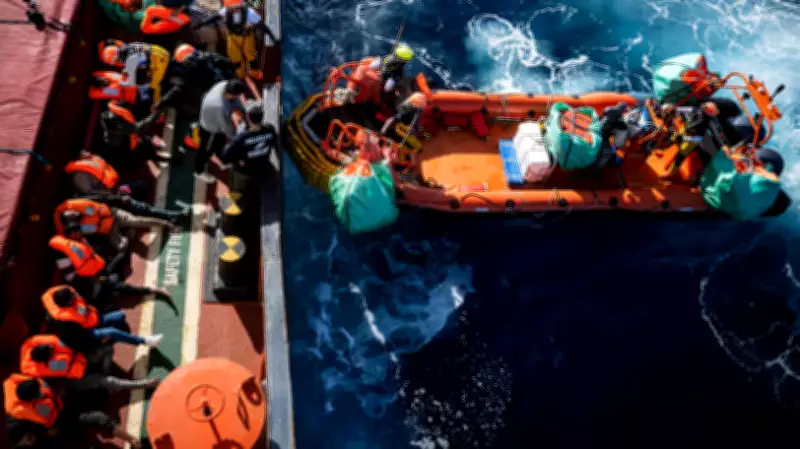
Mediterranean Migrant Tragedy Claims 53 Lives, Nigerian Women Among Sole Survivors
A devastating maritime disaster has unfolded in the Mediterranean Sea, with 53 migrants, including two infants, feared dead or missing after their overcrowded rubber boat capsized off the coast of Libya. The International Organisation for Migration (IOM) confirmed on Monday, February 9, 2026, that the only survivors of this harrowing incident were two Nigerian women, who were rescued by Libyan authorities.
Details of the Fatal Voyage
The ill-fated vessel departed from the coastal city of al-Zawiya in north-western Libya at approximately 23:00 local time on Thursday, February 5. Carrying migrants and refugees from various African nations, the rubber dinghy began taking on water about six hours into its journey. It ultimately overturned in the early hours of Friday, February 6, north of Zuwara, leading to this catastrophic loss of life.
The two Nigerian survivors shared heartbreaking accounts with IOM teams. One woman reported losing her husband in the disaster, while the other tragically confirmed that her two babies had perished. Both survivors received emergency medical care from IOM personnel following their rescue.

Growing Humanitarian Crisis in the Mediterranean
This latest tragedy adds to an alarming pattern of migrant deaths in the central Mediterranean. The IOM revealed that almost 500 migrants have been reported dead or missing attempting to cross from Libya to Europe in 2026 alone. January proved particularly deadly, with at least 375 migrants reported dead or missing following a series of "invisible" shipwrecks during extreme winter weather conditions.
Libya has served as a primary departure point for sub-Saharan African migrants seeking European shores since the 2011 overthrow of longtime leader Muammar Gaddafi. Despite repeated tragedies, desperate migrants continue attempting the perilous crossing, often falling victim to overcrowded and unseaworthy vessels operated by smuggling networks.
Systemic Challenges and International Response
The IOM has highlighted several concerning factors contributing to the mounting death toll:
- Traffickers and smuggling networks profit by forcing migrants onto dangerous vessels
- Many sinking vessels go unreported by the smugglers operating them
- Families of missing migrants are often left without closure or information
- UN officials have documented widespread abuses including torture, trafficking, forced labor, and extortion
In response to the crisis, the IOM has called for enhanced international cooperation to dismantle smuggling networks and the creation of safe, legal migration pathways to reduce sea deaths. Several nations, including the United Kingdom, Spain, Norway, and Sierra Leone, have urged Libya to shut down detention centers where rights groups have documented torture, abuse, and killings of migrants.
The delayed emergence of this particular tragedy's details—with news surfacing days after the actual incident—underscores the challenges in monitoring and responding to migrant emergencies in the region. As search and rescue efforts remain limited, the true human cost of Mediterranean crossings continues to mount, with vulnerable populations bearing the brunt of this ongoing humanitarian crisis.