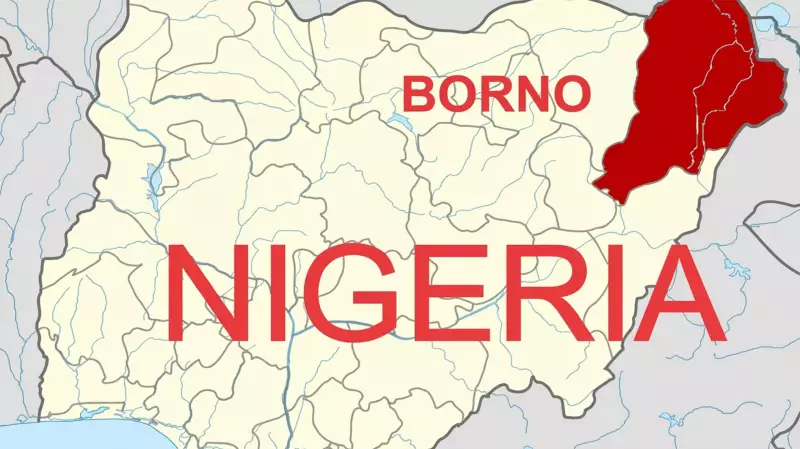
At least nine soldiers of the Nigerian Army have been confirmed dead following a devastating explosion caused by Improvised Explosive Devices (IEDs) in Borno State. The incident occurred along the critical 85-kilometer Maiduguri-Gubio road, marking another deadly attack by insurgents in the troubled North-East region.
Details of the Deadly Ambush
Military and Civilian Joint Task Force (JTF) sources confirmed the tragic event on Monday, January 5, 2026, in Maiduguri. According to their investigation, Boko Haram terrorists planted the explosive devices along the roadway the night before the attack. The targeted troops were travelling from Maiduguri, passing through Gubio town, on their way to conduct an operation in the Sasawa Forest, which is located in neighbouring Yobe State.
The journey had begun on Saturday. The soldiers made a stop at a military outpost along the roadside, planning to continue their movement the following day, Sunday. It was during this resumed journey on Sunday evening that the IEDs were detonated near Gubio, the headquarters of the Gubio Local Government Area.

Casualties and Military Response
A senior military officer disclosed that the attack resulted in significant casualties beyond the nine confirmed fatalities. Several other soldiers sustained injuries from bomb shrapnel, including burns to their limbs and heads. The affected troops are from the 145 Battalion based in Damasak, which operates under the 5 Brigade of the Nigerian Army stationed at the Maimalari Cantonment in Maiduguri.
The source was careful to clarify the nature of the assault, stating, "The Sunday attack on our troops was not an ambush by gunmen or terrorists but was caused by an IED planted along the road in the night by Boko Haram insurgents." As of the time of reporting, the Nigerian Army has not released an official statement regarding the explosions, the ongoing investigation, or the final casualty figures.
Persistent Terror Threat in the Region
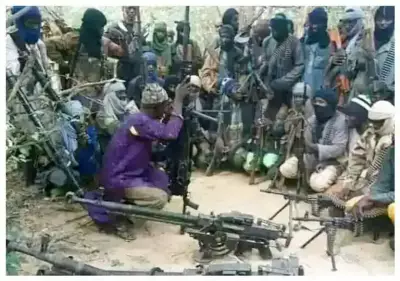
This attack underscores the persistent and evolving threat posed by terrorist groups in the North-East. Boko Haram and the Islamic State West Africa Province (ISWAP) continue to target military personnel and convoys using IEDs and gun trucks, particularly along key routes and patrol areas around the Sambisa Forest and the Lake Chad region.
This tactic is not new. In November of the previous year, suspected ISWAP fighters attacked a military convoy in the same region, inflicting multiple casualties on both soldiers and members of the Civilian JTF who support counter-terrorism operations. The repeated use of IEDs highlights the ongoing security challenges faced by troops despite sustained military campaigns.