In a landmark decision that reshapes the nation's military history, Australia has appointed a woman to lead its army for the very first time. This groundbreaking move is part of a comprehensive reshuffle of the country's defense force leadership, signaling a significant shift towards greater gender diversity in the armed forces.
A Historic Appointment for the Australian Army
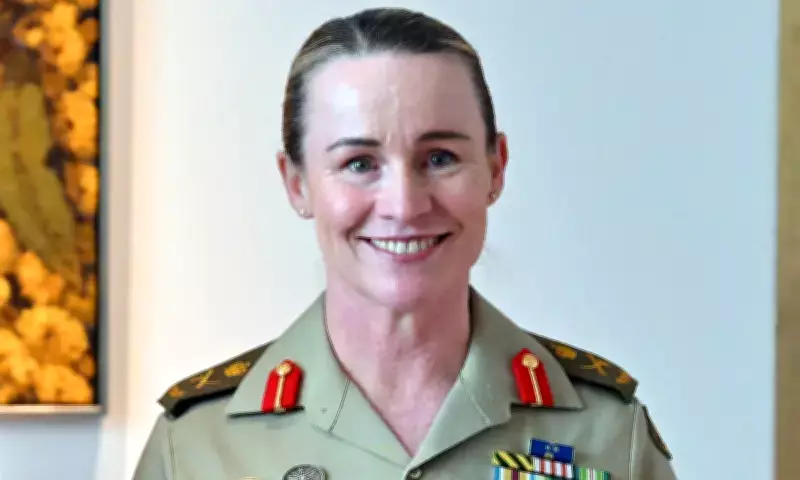
Lieutenant General Susan Coyle, currently serving as the chief of joint capabilities, will assume the role of chief of army in July, according to an official government statement. She will succeed Lieutenant General Simon Stuart, marking a pivotal moment in the Australian Army's 125-year existence.
Prime Minister Anthony Albanese emphasized the historical significance of this appointment, stating, "From July, we will have the first ever female chief of army in the Australian Army's 125-year history." This announcement comes as Australia's military actively works to increase the number of female officers within its ranks, addressing long-standing gender imbalances.

Defense Minister Hails "Deeply Historic Moment"
Defence Minister Richard Marles described Coyle's appointment as a "deeply historic moment" for the nation. He highlighted the symbolic importance of her achievement, quoting Coyle's own words: "You cannot be what you cannot see."
Marles further elaborated on the broader impact, noting, "Susan's achievement will be deeply significant to women who are serving in the Australian Defence Force today and women who are thinking about serving in the Australian Defence Force in the future." This appointment serves as a powerful inspiration for current and prospective female military personnel across the country.
Susan Coyle's Distinguished Military Career
Lieutenant General Susan Coyle, aged 55, began her military journey in 1987 and has since accumulated extensive experience through numerous senior command positions. Her appointment represents not only a personal milestone but also a historic first for any service branch of the Australian military, as confirmed by Defence Minister Marles.
Currently, women constitute approximately 21 percent of the Australian Defence Force (ADF) and hold about 18.5 percent of senior leadership roles. The ADF has established an ambitious target to increase overall female participation to 25 percent by 2030, making Coyle's leadership particularly timely and strategic.
Broader Context and Challenges
This historic appointment occurs against a backdrop of ongoing challenges within the ADF regarding gender equality and safety. In October of the previous year, a class action lawsuit was filed against the defense force, alleging systemic failures to protect thousands of female officers from sexual assault, harassment, and discrimination. Coyle's leadership will likely play a crucial role in addressing these issues and fostering a more inclusive environment.
Additional Leadership Changes in Defense Force
Alongside Coyle's appointment, the government announced other significant changes in defense leadership. Vice Admiral Mark Hammond, the current chief of the navy, has been appointed as the new head of the Australian Defence Force, succeeding Admiral David Johnston. Furthermore, Rear Admiral Matthew Buckley, presently serving as deputy chief of the Navy, will replace Hammond as the head of the naval branch.
These coordinated appointments reflect a comprehensive approach to refreshing Australia's defense leadership while simultaneously advancing gender diversity at the highest levels of military command. The reshuffle demonstrates the government's commitment to modernizing the armed forces and creating pathways for women to achieve top leadership positions.