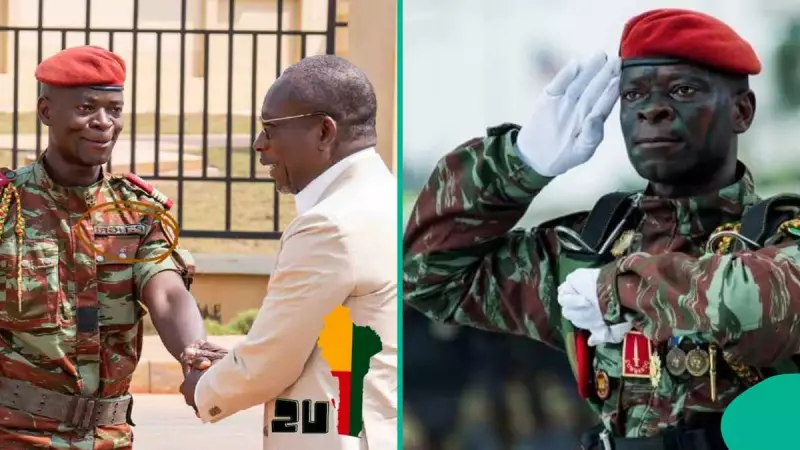
The West African nation of Benin was thrust into turmoil in early December 2025 following a dramatic and failed military coup. At the center of the shocking event is Lieutenant Colonel Pascal Tigri, an officer previously known for his discipline and discretion, who is now the alleged mastermind on the run.
From Trusted Officer to Wanted Mutineer
In the pre-dawn hours of December 6-7, 2025, mutinous soldiers launched an assault on the presidential palace and residence in Cotonou. They briefly declared the government of President Patrice Talon dissolved and took senior officers hostage. Loyalist forces, reportedly backed by Nigerian air power, swiftly regained control. While several suspects were arrested and casualties inflicted, the alleged ringleader, Lt. Col. Pascal Tigri, managed to escape, leaving a nation in shock and a trail of unanswered questions.
Who is Lieutenant Colonel Pascal Tigri?
The profile of Pascal Tigri that emerges from military sources is one of a capable and trusted soldier, making his alleged actions all the more surprising.

He was considered a model officer. Colleagues and superiors expressed astonishment at his involvement. Colonel Dieudonné Djimon Tévoédjrè, commander of the Republican Guard, stated Tigri was "known as a good soldier" who had "always enjoyed the trust of his superiors." A palace security source described him as disciplined, respectful of hierarchy, and very discreet.
His career was built on merit. A former cadet of the Bembèrèkè military academy trained in artillery, Tigri emphasized he was "not an officer who rose through privilege." He climbed the ranks under the mentorship of Colonel Faizou Gomina, Chief of Staff of the National Guard. Tigri commanded elite units, including the Special Forces Group, and saw action in Operation Mirador in 2022 against jihadist incursions in northern Benin.
Family ties to the opposition. Pascal Tigri is the younger brother of Alassane Tigri, a former Government Secretary General and current vice-president of the opposition party Les Démocrates. This connection fueled suspicions of political collusion, which Alassane Tigri has vehemently denied, condemning the "insidious, lying, and defamatory allegations."
Motives and Grievances Behind the Mutiny
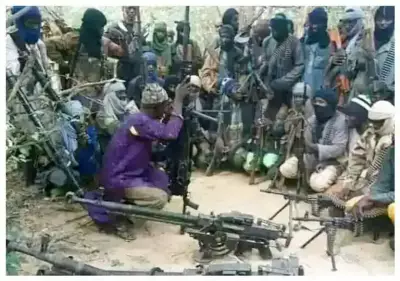
In a video broadcast on Benin TV, the mutineers, led by Tigri, laid out a list of grievances that pointed to deep fractures within the military and the political landscape.
Security failures in the north. They accused the Talon government of ignoring the "continuous degradation of the security situation" in northern Benin and neglecting the families of fallen soldiers.
Political exclusion and score-settling. The rebels denounced the "total exclusion" of those with ideas contrary to Talon's governance, specifically referencing the exclusion of Les Démocrates from upcoming elections. They also alleged favoritism in military promotions and unjust forced retirements.
The mutiny turned violently personal. During the attempt, Tigri's group took General Abou Issa, Chief of Staff of the Army, and his own former mentor, Faizou Gomina, hostage. They also attacked the residence of General Bertin Bada, Talon's military chief of staff, resulting in the death of Bada's wife.
The Ongoing Manhunt and Regional Implications
After the loyalist forces quashed the coup, the hostages were released near Tchaourou in northern Benin. Tigri, however, had vanished. Intelligence suggests he fled in civilian clothing towards neighboring Togo.
As of mid-December, Togolese authorities stated his presence in Lomé was unconfirmed and noted that Benin had not yet submitted a formal extradition request. A source close to Togolese President Faure Gnassingbé indicated that specialized services from both countries were likely cooperating on the matter. Beninese officials, speaking to the BBC, acknowledged they were aware of his suspected location and intended to file for extradition.

The failed coup led by Lt. Col. Pascal Tigri has exposed significant tensions within Benin's armed forces and political sphere. It raises urgent questions about military loyalty, the handling of security threats in the north, and the climate of political inclusion. As the hunt for the discreet officer-turned-fugitive continues, Benin is left to grapple with the fragile balance of power and the discontent that nearly toppled its government.