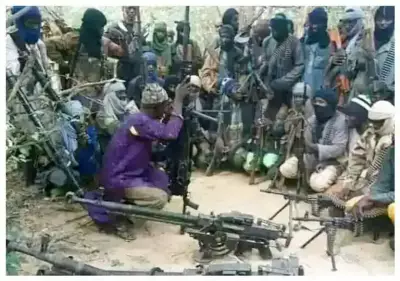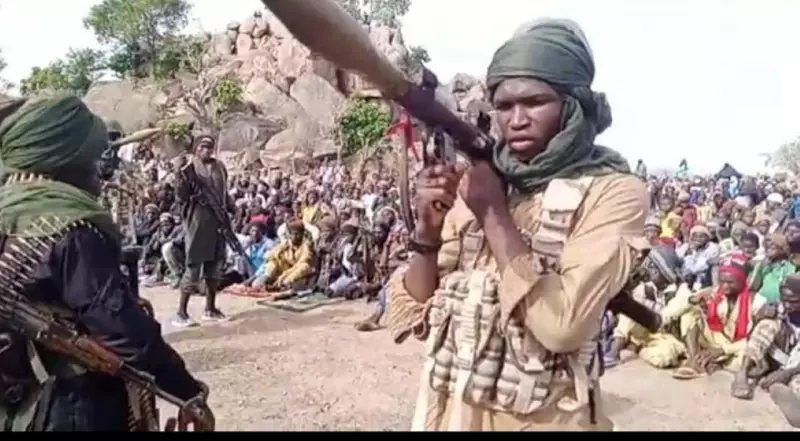
Dozens of fighters from rival insurgent factions, Boko Haram and the Islamic State West Africa Province (ISWAP), have been killed following intense clashes in Borno State. The violence coincides with a significant move by the Nigerian Air Force to fast-track a major arms acquisition from the United States.
Intense Week-Long Clashes in Sambisa and Mandara Mountains
The renewed conflict began on January 3, 2026, when fighters loyal to ISWAP launched coordinated assaults on Boko Haram positions. The attacks targeted camps around the Ali Ngulde area within the Mandara Mountains. Security sources indicate the ISWAP offensive was led by two commanders known as Jundullah and Ibn Hataf.
Boko Haram forces, however, mounted a stiff resistance under the direction of their field commander, Abu-Rijal, also called Ba-Sulhu. The initial engagements resulted in heavy losses for the attacking ISWAP group. Dozens of ISWAP militants were killed and several others captured in the early fighting. Boko Haram fighters also reportedly seized a cache of weapons, including rifles, a machine gun, and other ammunition.

Retaliatory Strikes and Shifting Fortunes
The balance of power shifted days later. On January 6, ISWAP forces carried out a retaliatory strike on a Boko Haram stronghold in the Sabil Huda axis. This triggered hours of intense combat.
According to security insiders, this counter-attack proved more successful for ISWAP. At least 12 Boko Haram fighters were neutralized during the clash, with ISWAP seizing additional weapons. The fierce fighting forced the displacement of families affiliated with Boko Haram, including women and children, who fled from affected camps towards the Yale General area.
Limited night operations were conducted to track fighters fleeing the conflict zones. As of midweek, no further confirmed clashes had been reported, although the situation remains volatile.
Nigeria Accelerates U.S. Attack Helicopter Acquisition
Amidst this internal conflict among terrorist groups, the Nigerian military is moving to bolster its aerial capabilities. The Nigerian Air Force (NAF) has initiated steps to expedite the acquisition of 12 AH-1Z Viper attack helicopters from the United States.
To this end, the Chief of Air Staff, Air Marshal Sunday Aneke, led a crucial Programme Management Review meeting in San Diego, California. The meetings, held from January 5 to January 6, included senior officials from the U.S. government and representatives from the manufacturer, Bell Textron.
Speaking at the engagement, Air Marshal Aneke thanked the U.S. government and Bell Textron for their continued cooperation and transparency. He emphasized that the structured review process reflects the NAF's commitment to programme discipline, accountability, and tangible results.
Aneke stressed that the acquisition signifies more than just a platform upgrade. It stands as a testament to the enduring defence cooperation and strategic partnership between Nigeria and the United States in combating terrorism and securing the region.