Defence Minister Musa Explains Political Cycle of Insecurity in Nigeria
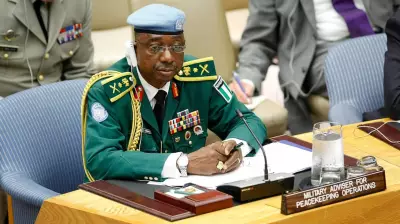
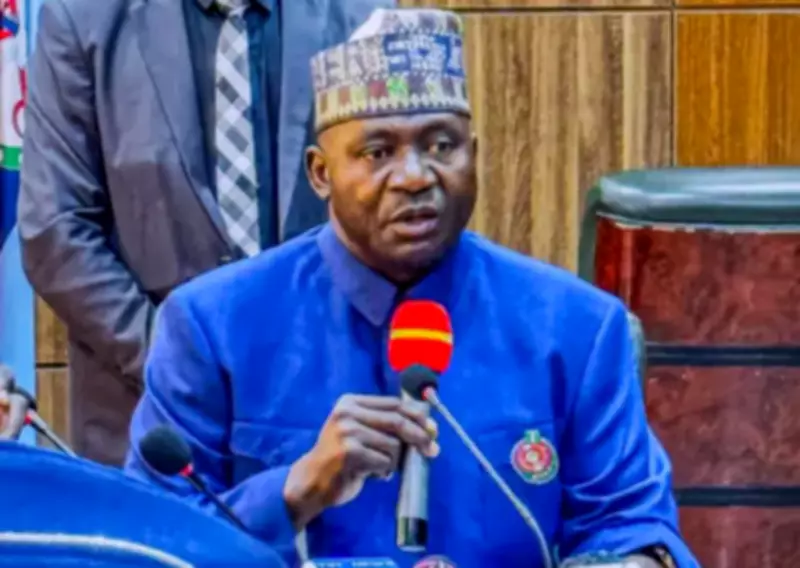
Nigeria's Minister of Defence, General Christopher Musa, has provided a detailed analysis of why insecurity consistently worsens during political years, pointing to a deliberate pattern of internal sabotage and external interference aimed at destabilizing the government.
Complex War Against Determined Enemy
During an exclusive interview on Arise Television on Tuesday night, April 14, General Musa characterized Nigeria's security situation as a complex war against a determined enemy who receives substantial support from outside forces. "We are fighting a war and we are fighting a determined enemy, who is getting support from outside and has nothing to lose," he stated emphatically. The Defence Chief highlighted the extreme difficulty of combating adversaries driven by radical ideologies that prioritize destruction over negotiation.
Insider Collaboration as Primary Driver
Musa identified insider collaboration within local communities as a critical factor enabling successful insurgent operations. He revealed that informants often provide precise tactical intelligence to attackers about security force deployments. "These same individuals that people see as civilians are the ones telling them that this unit has only twenty soldiers," Musa explained. "Because of the information they are getting from those informants... they come over 200 [strong]." This intelligence advantage allows attackers to overwhelm smaller security units through coordinated assaults.

IEDs Cause High Casualty Rates
The Defence Minister further noted that the high casualty rate among security forces frequently results from Improvised Explosive Devices rather than direct combat engagements. He cited the recent tragic death of a commanding officer in Monguno as a poignant example of an IED-related fatality that demonstrates the asymmetric nature of the conflict. These explosive devices, often manufactured using agricultural materials, present significant challenges for detection and prevention.
Political Timing of Attacks
Addressing the political dimension directly, Musa suggested that spikes in insecurity are strategically timed to undermine the sitting administration during critical political periods. "Individuals want to take advantage to make the government look weak or to show that there's no need keeping the government," he remarked. The General highlighted a recent incident involving three bomb blasts occurring within a single day as clear evidence that these attacks are deliberately orchestrated for maximum political impact and media attention.
Internal and External Actors Identified
When pressed about the specific identity of those behind the instability, General Musa was unequivocal in his assessment, attributing the chaos to "anybody who does not mean well for the country—and there are a lot of them, both within and outside." This broad characterization acknowledges the complex network of domestic saboteurs and international actors who benefit from Nigeria's instability during political transitions.
Operational Challenges and Military Commitment
Despite facing significant operational challenges, including the difficult policy balance of restricting urea fertilizer (a key component in IED manufacturing) while simultaneously supporting legitimate agricultural activities, Musa maintained that the military remains fully committed to neutralizing those seeking to exploit the political calendar for strategic gain. The Defence Minister emphasized ongoing efforts to improve intelligence gathering, community engagement, and inter-agency cooperation to counter these politically motivated security threats.