Presidency Defends Airstrike on Jilli Market as Deliberate Anti-Terror Operation
The Presidency has issued a firm defense of the military airstrike conducted on Jilli market, asserting that the operation was a deliberate and calculated action aimed at targeting terrorists rather than innocent civilians. According to presidential aide Tope Ajayi, the location had long ceased to function as a normal marketplace and had been completely taken over by insurgent forces. He described the site as “a legitimate military target,” emphasizing that “while the location may still be referred to as ‘Jilli Market,’ it has not functioned as a legitimate civilian marketplace in any meaningful sense.”
Credible Intelligence and Government Support
Ajayi further explained that “by multiple credible accounts, it has evolved into an operational node within the insurgency’s supply chain,” justifying the military's decision to strike. The Yobe State government has strongly backed the Presidency's position, stating unequivocally that the airstrike was intentional and based on reliable intelligence. In an official statement issued on behalf of Governor Mai Mala Buni, the operation was characterized as “intentional, intelligence-driven, and part of ongoing efforts to dismantle terrorist enclaves.”
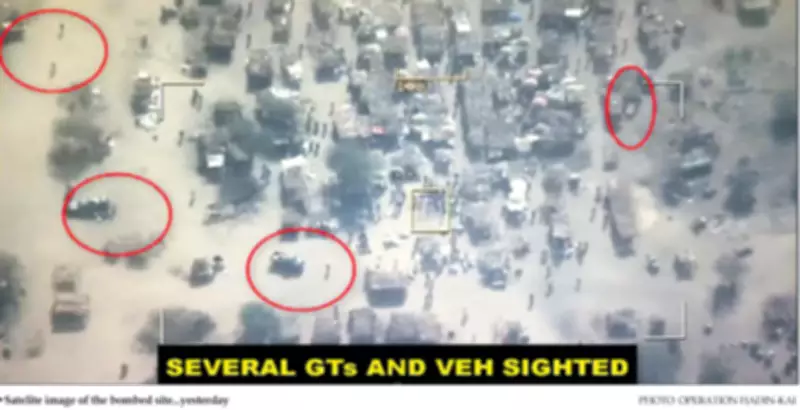
“It must be clearly stated that the airstrike was not a mistake,” the statement added, noting that the strike was executed by the Air Component of Operation HADIN KAI on April 11, specifically targeting a known terrorist stronghold in Borno State. Despite this, authorities have acknowledged that some civilians were unfortunately affected by the operation. Reports indicate that traders from Geidam in Yobe State, who had traveled to the market, were caught in the strike, with the injured subsequently taken to Geidam Specialist Hospital for urgent medical treatment.

Political Criticism and Calls for Investigation
The Presidency has also taken a strong stance against remarks made by former Vice President Atiku Abubakar, who expressed concerns about potential civilian casualties. Presidential spokesman Sunday Dare described Atiku's comments as “misleading, reckless and detrimental” to national security, warning that such narratives could severely undermine troop morale and inadvertently embolden insurgent groups.
However, despite the government's firm defense, calls for a thorough investigation have intensified. Senator Ahmad Ibrahim Lawan has urged a “full, transparent and independent investigation,” stating he was “deeply saddened and disturbed” by reports suggesting that more than 100 civilians may have lost their lives. “Without prejudice to the integrity of our military, the victims deserve answers and justice,” Lawan asserted, also calling for comprehensive medical support for survivors and appropriate compensation for affected families.
Former Anambra State governor Peter Obi has similarly expressed grave concern, offering his condolences to the victims while noting that such tragic incidents often stem from operational challenges and limitations in military capacity. He advocated for improved equipment, better coordination among security agencies, and sustained investment in defense capabilities to prevent future occurrences.
Ongoing Debate and Accountability
The incident continues to generate significant public and political debate, with authorities steadfastly maintaining that the strike was precisely targeted at insurgent infrastructure. Critics, however, stress the urgent need for accountability and transparency regarding the reported civilian casualties. The contrasting perspectives highlight the complex balance between national security imperatives and the protection of civilian lives in conflict zones.