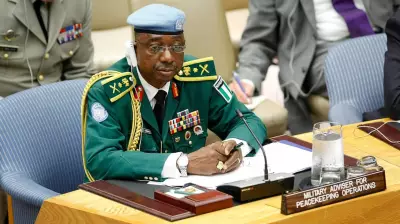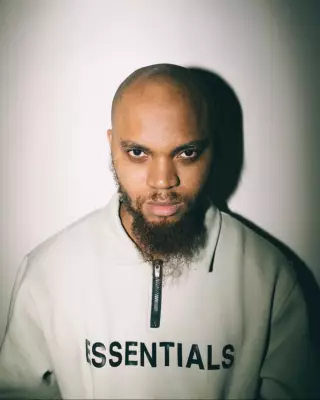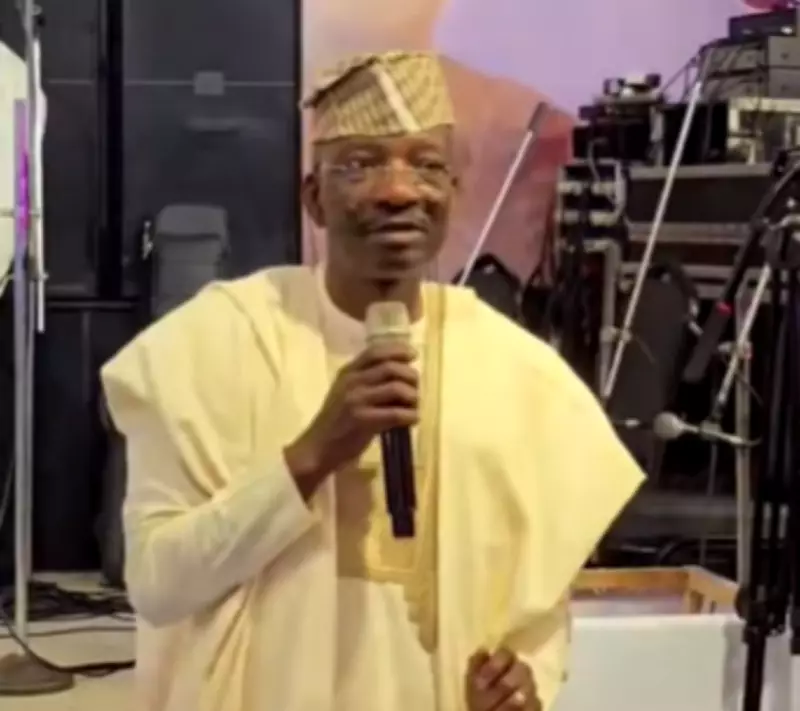
The Inspector General of Police, IGP Kayode Egbetokun, has implemented a strict new policy regarding public photographs, declaring that he will no longer pose for pictures with random individuals. This decisive move comes in direct response to a recent viral documentary that featured a photograph of the police chief alongside a suspected financial fraudster.
Background of the Controversial Documentary
The documentary, which gained widespread attention on social media platforms, detailed the activities of fraudsters accused of defrauding a Romanian lady of a staggering $2.5 million. Among the various pieces of evidence presented was a photograph showing one of the suspected fraudsters posing confidently with IGP Egbetokun, who was captured in full police uniform. This image has sparked significant debate and concern within security and public circles.
Analysts Weigh In on Fraudster Tactics
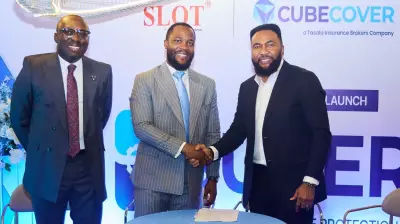
Security analysts and observers have noted that this incident highlights a disturbing trend among criminal elements. Fraudsters and other unscrupulous individuals often seek photographs with prominent personalities, including government officials, business leaders, and entertainers. These images are then strategically used to lend an air of legitimacy and false validation to their illicit operations, potentially misleading victims into trusting their fraudulent schemes.

The viral documentary did not limit its exposure to just the IGP. It also featured photographs of the suspected fraudsters alongside other notable Nigerian figures from various sectors, including successful businessmen and popular entertainers. This broader inclusion underscores the widespread nature of this manipulative practice and its potential implications for public trust.
IGP's Public Statement and Clarification
While addressing attendees at a recent public function, IGP Egbetokun formally announced his new stance on photograph requests. He emphasized that his decision to decline such opportunities should not be misinterpreted as an act of pride or aloofness. Instead, he framed it as a necessary precaution in the current digital age.
In his own words, the Inspector General stated: "I would want to apologize to those distinguished individuals whose photo opportunities I have declined. This decision is not driven by pride but by caution at a time when photo opportunities granted at special occasions can be weaponized."
Implications for Public Figures and Security
This development raises important questions about the intersection of public accessibility, personal security, and media manipulation. Public figures, particularly those in sensitive positions like law enforcement, must now navigate the delicate balance between maintaining public engagement and protecting their image from potential exploitation by malicious actors.
The IGP's proactive measure may set a precedent for other high-profile individuals in Nigeria, prompting them to reevaluate their own policies regarding public photographs and social interactions. As digital media continues to evolve, the weaponization of innocent images for fraudulent purposes represents a growing challenge that requires vigilant countermeasures.