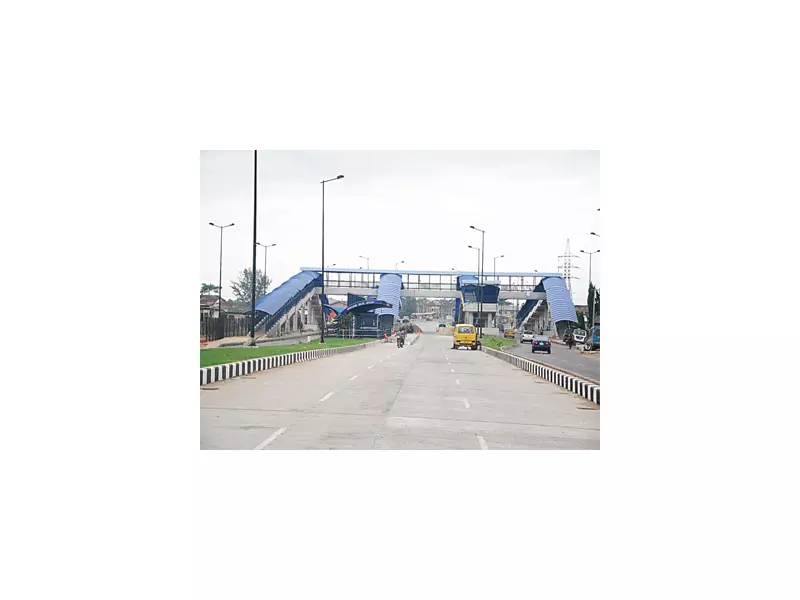
Residents of Ikorodu and its environs who rely on the Bus Rapid Transit (BRT) system are facing a daily commuting nightmare. Despite promises from the Lagos State government to improve the service with new buses and bus stops, the situation has deteriorated sharply, according to numerous commuters who shared their harrowing experiences.
From Hope to Frustration: A System in Disarray
The announcement of more BRT buses for the Mile 12-Ikorodu road corridor had raised hopes for shorter waiting times and a smoother journey. For many, the BRT is the only viable option to beat the notorious Lagos traffic. However, months after the supposed upgrade, the reality is one of disorderly terminals, frequent bus breakdowns, and rising tensions.
Temitope Kabiru, an occasional user, recounted a distressing two-hour wait at the Ikeja terminal. "Buses were parked right there in the terminal, but they refused to pick passengers," she said. Her frustration turned to alarm when a coordinator began shouting at passengers and threatened to bar some from boarding. She described a system where buses would finally appear only to be already filled with people who had not queued, sparking anger among those who had waited patiently.

Chaotic Terminals and Roadside Breakdowns
For regular commuters, the problems are multifaceted. Sofiya Owolabi chooses the BRT for its dedicated lane and cost-effectiveness but admits the benefits vanish during peak or festive periods. "There have been times when we queued and there was no BRT in sight," she said, forcing her to abandon the queue for other transport. She has also witnessed extreme confrontations between drivers and passengers.
Babatunde Olamilekan pointed directly to corruption at the terminals. He alleged that officials deliberately cheat those in line by smuggling others onto buses and reserving spaces. "You dare not talk, because if you do, they will fight you," he claimed. Beyond the terminal chaos, he highlighted the poor state of the buses, particularly older models refurbished in blue and white. "The buses break down on the road every now and then... Only God knows why it is us on Ikorodu Road that deserves these rickety buses."
Adebimpe Alarape, who uses the BRT to save time, said the introduction of new buses meant to improve service from Elepe and Odonguyan has backfired. "Since these new buses started, it has been very hard. The drivers behave like touts," she stated. She described illogical operations where coordinators would lie about a bus's destination, forcing passengers onto overcrowded vehicles.
A Descent into Violence and Official Response
Alarape narrated a particularly violent incident on December 17, 2025, on a bus from Oshodi to Elepe. After the driver tried to overload the bus at Maryland, a physical altercation erupted. "The people outside started pouring sand into the bus, while those inside the bus retaliated by pouring water on them... They started throwing stones," she said. Shockingly, the driver parked, disembarked, and joined the fight against passengers.
When contacted for a reaction, Kola Ojelabi, the Public Relations Officer of the Lagos Metropolitan Area Transport Authority (LAMATA), stated that the agency was not aware of any formal complaints regarding misconduct or poor service on the Ikorodu corridor. He clarified that LAMATA regulates and franchises BRT operations but noted that not all high-capacity buses on major routes are under its direct control, as some are operated by private investors.
Ojelabi provided LAMATA's official channels for complaints and specifically denied knowledge of BRT buses plying the Elepe to Oshodi or TBS route mentioned by a commuter, saying "they will have to look into it." This response stands in stark contrast to the detailed and consistent accounts of hardship provided by daily users of the service.