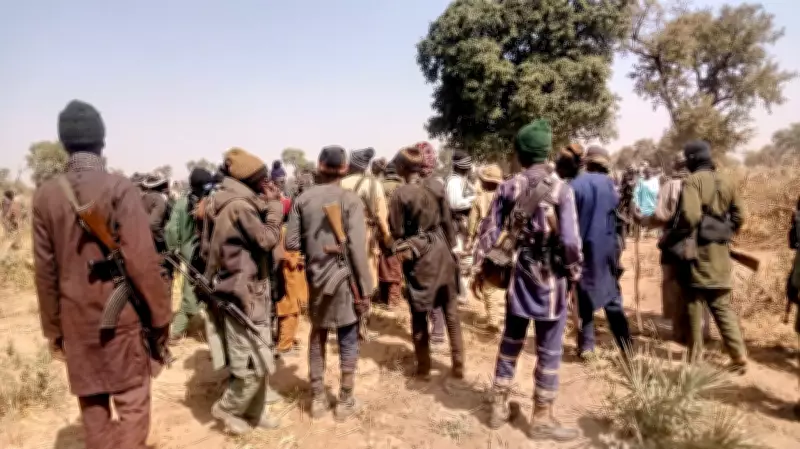
The United States Commission on International Religious Freedom (USCIRF) has revealed that approximately 30,000 Fulani armed militants are active across Nigeria, perpetrating violent killings, particularly against Christians. In its May report, the commission stated that these militants traditionally concentrate in the country's northwest, migrate down through the Middle Belt, and have become increasingly active in the South.
Fulani Militants and Religious Freedom
The report examines the role of Fulani militants in deteriorating religious freedom conditions in Nigeria, explaining communal dynamics between Muslims and Christians and providing examples of recent violations. It notes that armed actors from a Fulani ethnic background have perpetrated some of the most visible and deadly attacks on religious communities, often but not exclusively targeting Christians.
Coordination and Tactics
While many Fulani militant groups wage independent attacks, others periodically coordinate with bandit gangs seeking financial gain and recognized terrorist organizations espousing a violent interpretation of Islam. The report states that each group consists of between 10 and 1,000 members, and although they lack centralized leadership, some collaborate on attacks. Militants often coordinate via radio, use motorcycles and automatic weapons, and rapidly hit multiple targets in rural, isolated areas. They frequently wield machetes and attack vulnerable communities at night to instill terror and force victims to flee, thereby gaining control over desired land.

Impact on Religious Communities
Violence by Fulani militants has caused the highest number of deaths among all religious communities in Nigeria over the last year, surpassing attacks by organized insurgent groups and criminal gangs. The report emphasizes that Fulani assailants have not spared Muslims, raiding herders' cattle and violently attacking non-Fulani Muslim communities. However, many militants have specifically targeted Christian communities in the Middle Belt and increasingly in the South, burning homes and churches, kidnapping, raping, and murdering.
Historical Context
The Fulani militants were declared the fourth deadliest terrorist group in the world by the Global Terrorism Index in 2014. The USCIRF report underscores the ongoing threat they pose to religious freedom and communal harmony in Nigeria.