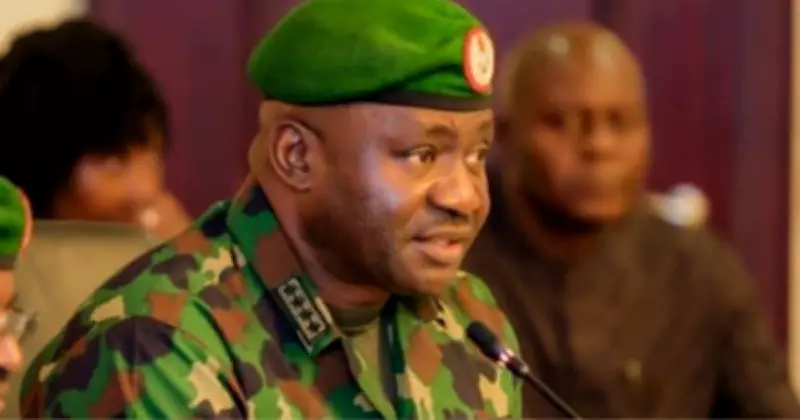
Nigeria's Chief of Defence Staff, Christopher Musa, has clarified the government's position on the rehabilitation and reintegration of former terrorists into society, stating that those allowed to return are not active combatants but individuals who were coerced into terrorism. The statement comes amid persistent public debate over the Federal Government's deradicalisation programme, which has seen hundreds of former insurgents undergo rehabilitation before being reintegrated into communities.
Understanding the Rehabilitation Programme
Musa explained that many Nigerians misunderstand the category of individuals being reintegrated. 'The terrorists we rehabilitate and allow back into the Nigerian society are the ones who were forced into terrorism through duress and not combatant terrorists,' he said. His remarks address growing criticism of Operation Safe Corridor, a programme established in 2016 to deradicalise and rehabilitate individuals who surrender from terrorist groups operating in the North-East.
For years, victims of insurgent attacks and displaced families have questioned the decision to reintegrate former members of terrorist groups. However, Musa maintained that not everyone found in terrorist camps willingly joined. Some were abducted, forced into service, or coerced into supporting insurgent activities after being captured during attacks on communities. Security agencies conduct thorough assessments and screening processes to distinguish active fighters from victims of coercion before any rehabilitation takes place.

Operation Safe Corridor Details
Operation Safe Corridor combines psychological counselling, religious reorientation, vocational training, and other support services aimed at helping former insurgents reintegrate into civilian life. Government officials have previously argued that encouraging defections from terrorist groups is an important part of ending insurgency and reducing violence. Despite these explanations, concerns remain among many Nigerians who believe justice for victims and accountability for crimes committed during the insurgency should remain a priority.
Nigeria continues to battle insecurity across several regions, including insurgency in the North-East, banditry in the North-West, and kidnapping in other parts of the country. The issue of reintegrating former insurgents has remained controversial despite repeated assurances from government authorities that only carefully screened individuals are considered for rehabilitation programmes.