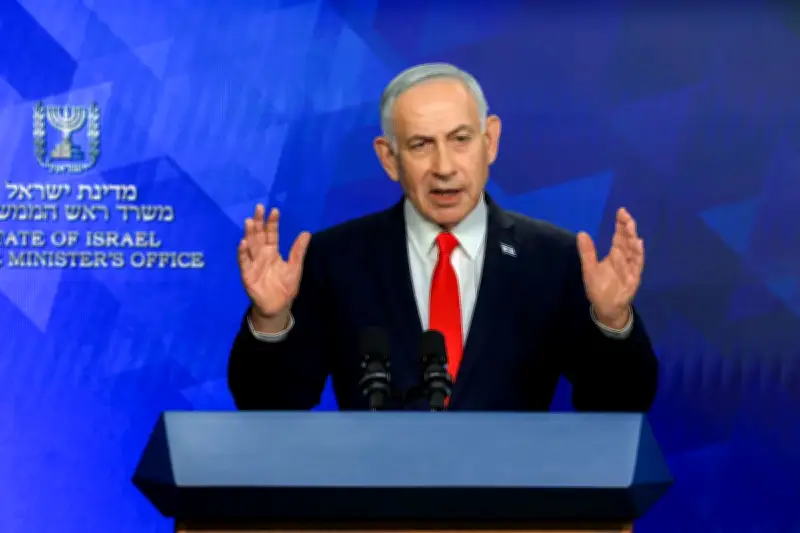
Israel declared on Thursday, June 25, that it would not pull its troops out of southern Lebanon unless Hezbollah is disarmed and demilitarized. The condition was outlined as the two countries engage in US-mediated negotiations in Washington.
Background of the Conflict
The Israeli military has conducted widespread airstrikes in Lebanon and deployed ground forces into the country's south after Hezbollah, a powerful Iran-backed militia, joined the Middle East war in March on behalf of its patron. The escalation has heightened tensions along the border.
“We will not withdraw our forces from southern Lebanon as long as Hezbollah remains a threat, are not disarmed and are not demilitarised,” said David Mencer, an Israeli government spokesman, during a briefing to journalists.

US-Mediated Talks in Washington
Under US pressure, Lebanese officials initiated direct talks with Israel in Washington in April. The latest round of negotiations, spanning three days, is scheduled to conclude on Thursday. US Secretary of State Marco Rubio commented that the two sides are nearing a “commitment of intent.”
Mencer emphasized Israel's stance: “We are making extremely clear that our responsibility is to our northern citizens and to the whole of Israel, and we will not allow any terrorist force anywhere near our border, which means that any redeployment of IDF forces comes after, not before, but after the demilitarization of southern Lebanon and the disarming of Hezbollah.”
Historical Context and Skepticism
Mencer also referenced past failures, stating, “We’ve already been in this situation in 2024. Hezbollah were supposed to be disarmed. They weren’t.” This highlights Israeli skepticism about previous disarmament commitments.
The negotiations continue as both sides seek a resolution, with Israel insisting on security guarantees before any military withdrawal.