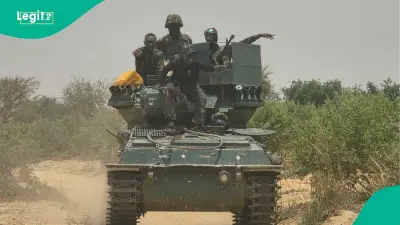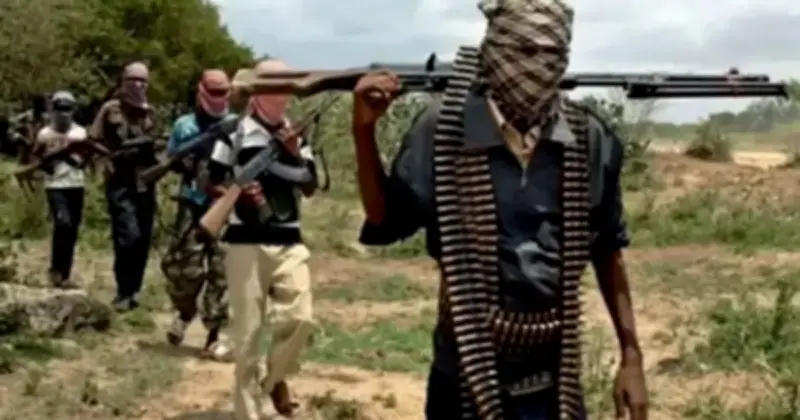
The United Nations has raised alarm over the proliferation of weapons looted from Libya after the 2011 civil war, warning that these arms are now being used by terrorist groups operating in Nigeria and other parts of West Africa.
UN Highlights Security Threat
A senior UN disarmament official expressed concern about the long-term security consequences of the collapse of Libya's arms control systems following the fall of former leader Muammar Gaddafi. According to the UN, large stockpiles of weapons were either looted or diverted during the conflict, creating one of the most significant uncontrolled arms flows in recent decades.
The official explained that these weapons have been trafficked across porous borders in the Sahel, where armed groups and criminal networks operate with limited resistance. Some weapons have been traced to extremist groups active in Nigeria, exacerbating an already fragile security situation.

Regional Instability
The development underscores how instability in one country can have long-term regional consequences, especially in areas with weak border security and highly mobile armed groups. The Sahel region, including Mali, Niger, and Chad, remains a major transit route for illicit arms, with Nigeria affected due to its extensive land borders and ongoing internal security challenges.
Call for International Cooperation
The UN reiterated the need for stronger international cooperation to track and control illicit arms flows, improve border security, and reduce the availability of weapons to non-state armed groups. It stressed that addressing root causes of instability in post-conflict regions is critical to preventing the spread of weapons into other conflict zones.
This warning adds to ongoing concerns about terrorism and armed violence in Nigeria, where security forces continue to battle multiple armed groups across different regions.