Security forces in Nigeria's North East have made a critical breakthrough in the fight against terrorism, naming a key figure behind a series of deadly attacks.
Key Suspect Identified in Intelligence Operation
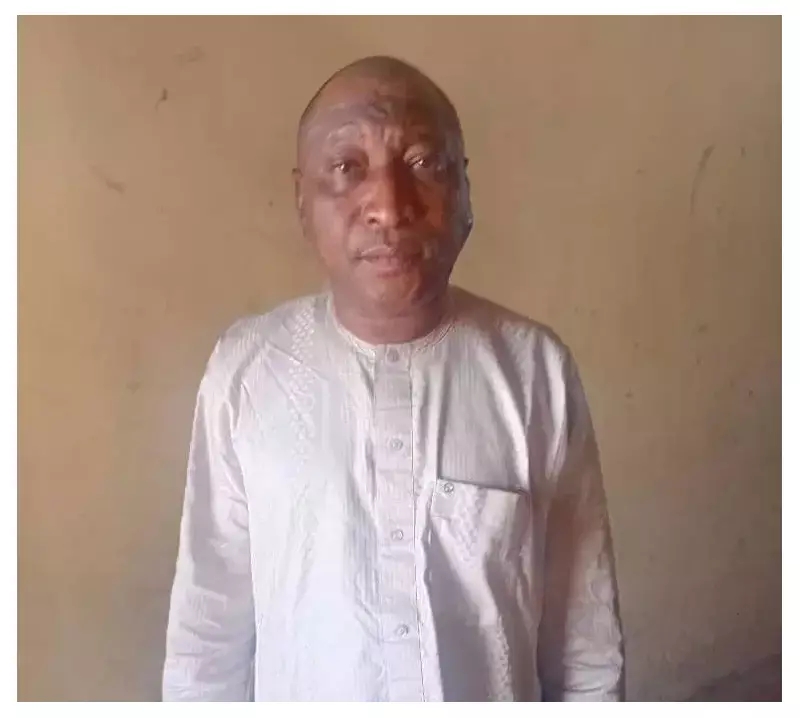
The Joint Task Force North East, known as Operation HADIN KAI (OPHK), has publicly identified Shariff Umar as the principal coordinator of recent suicide bombings plaguing the region. This revelation was made by the Media Information Officer, Lt. Col. Sani Uba, in an official statement released on Saturday, January 3, 2026.
The identification followed a successful intelligence-led cordon-and-search operation conducted in the Kalmari area of Maiduguri on December 31, 2025. During this operation, troops apprehended 14 suspects directly linked to suicide bombing activities. Subsequent investigations mapped out the terror cell's complete structure, roles, and operational connections.

Detailed Confession and Network Exposed
During interrogation, a suspected suicide bomber in custody, Ibrahim Muhammad, clearly identified Shariff Umar, who also uses the alias "Yusuf", as the ringleader. Corroborated statements confirmed that Umar was responsible for the entire deadly process: recruiting potential bombers, preparing them, directing their missions, and dispatching them to assigned targets. He also coordinated the logistics and delivery of components for Improvised Explosive Devices (IEDs).
Investigators established that Shariff Umar personally coordinated the suicide bombing at the Gamboru Market Mosque on December 24, 2025. His accomplice, Adamu, who is now deceased, carried out that attack by detonating a suicide vest. Umar was also the coordinator behind a foiled suicide bombing attempt in Damaturu, having personally handed over IED components to the would-be bomber in Maiduguri.
Domestic Links and Ongoing Investigations
The probe further exposed the domestic concealment methods used by terrorist facilitators. Links were established to Shariff Umar's wife, Yagana Modu. His stepdaughter, Amina, admitted to previously seeing the suspect bomber within their family residence, significantly strengthening the evidence trail.
All suspects remain in custody and are undergoing intensive, multi-layered investigations. The goal is to completely dismantle the network, identify all collaborators, and recover any remaining explosives or logistical assets.
OPHK emphasized that this success underscores the critical importance of collaboration between security forces and the civilian population. The statement noted that terrorist networks survive by hiding within communities, exploiting silence and fear. It reaffirmed that timely information from vigilant, law-abiding citizens remains one of the most powerful tools for preventing attacks and saving innocent lives.